Marma Therapy in Ayurveda: Benefits, Procedure, Safety and What to Expect
A practical, medically careful guide to traditional marma point work, how a session may feel, who should avoid it, and how it fits into a responsible wellness retreat.
What Is Marma Therapy?
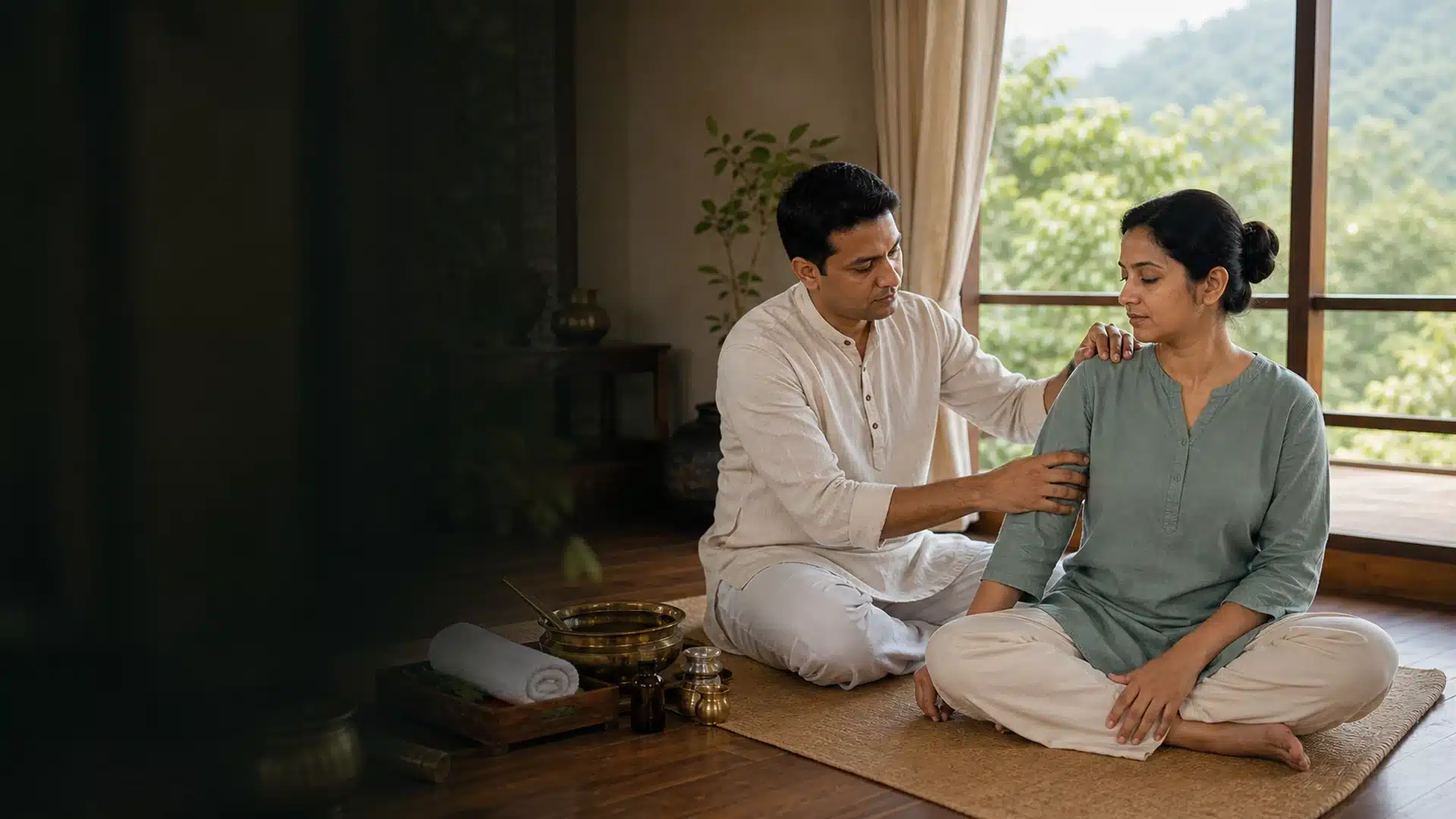
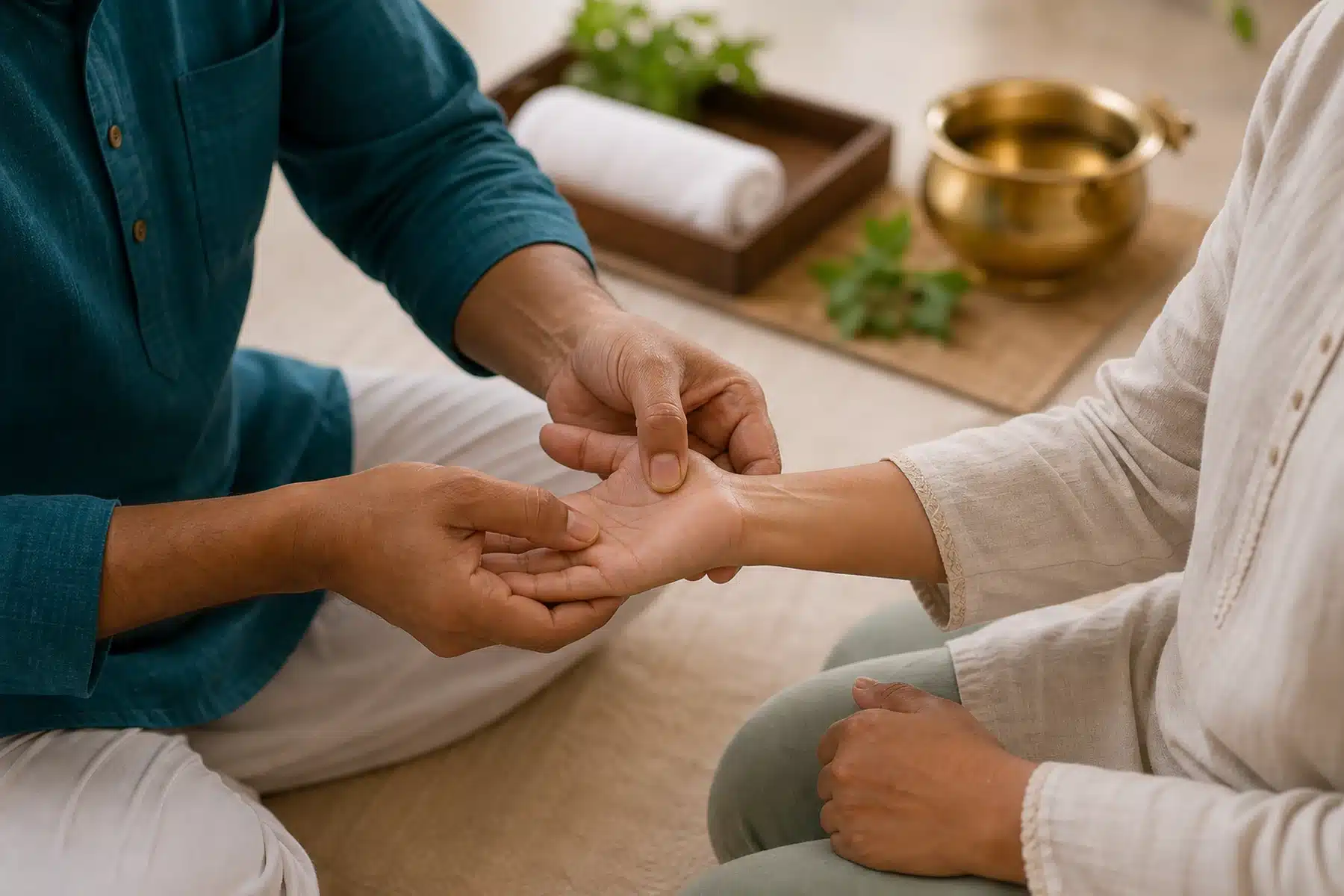
Marma therapy is a traditional Ayurvedic practice that uses gentle touch, pressure, oil application or focused attention around specific points described in classical Ayurveda as marma points.
It is sometimes explained as Ayurvedic pressure-point therapy, but it should not be confused with aggressive deep-tissue work, chiropractic adjustment, acupuncture or a guaranteed medical treatment. A responsible session should feel calm, respectful and adapted to the person.
At Yan Cure, this therapy belongs inside a broader consultation-led plan that may include traditional Ayurvedic therapies, breathwork, gentle yoga, rest and lifestyle guidance.
The honest promise: this therapy may support relaxation, body awareness and temporary ease for some people. It should not be sold as a cure for pain, anxiety, neurological problems or chronic disease.
What Happens During a Session?
A good session should begin with listening. The practitioner should ask about your current health, pain areas, injuries, medication, skin sensitivity, emotional comfort and any medical conditions that may affect touch-based therapy.
Consultation
You discuss symptoms, sleep, stress, pain, injuries, medical history and the goal of the session.
Positioning
You may sit or lie comfortably, fully draped and clothed according to the area being addressed.
Gentle touch
The practitioner uses light, steady pressure or circular touch around selected points.
Breath rhythm
Slow breathing or quiet rest may be used to support relaxation during the session.
Aftercare
You receive simple guidance on rest, hydration, movement and when to seek medical help.
Pressure should never be sharp, frightening or forced. You can ask the practitioner to stop, reduce pressure or avoid any area at any time.
Benefits: What Is Realistic?
The most realistic benefits are connected with rest, body awareness, nervous-system settling and temporary ease in areas that feel tense or guarded. People may leave feeling quieter, more aware of breath and less rushed.
That experience can be valuable, but it is not the same as a proven disease treatment. Pain, numbness, weakness, panic attacks, unexplained symptoms or serious medical conditions deserve proper assessment.
- Relaxation support: calm touch and slow pacing may help some people shift out of a stress-heavy state.
- Body awareness: the session can make people notice tension patterns in the jaw, shoulders, hands or feet.
- Temporary comfort: gentle work may feel soothing around stiff or tired areas when no red flags are present.
- Retreat rhythm: it can fit well with rest, breathing, meditation, light yoga and suitable meals.
- Personalization: a practitioner can choose a softer or more restorative approach when the guest is depleted.
What Does Evidence Say About Marma Therapy?
High-quality clinical research specific to marma point therapy is limited. That means it should be described as a traditional Ayurvedic practice with possible wellness value, not as a proven standalone treatment for pain, stress disorders or neurological conditions.
Research on related touch-based practices is broader but still mixed. The NCCIH massage therapy overview notes that massage may help some pain conditions in the short term, but evidence quality varies and safety depends on the person and technique.
For stress regulation, the NCCIH relaxation techniques overview explains that relaxation methods may help with some pain and anxiety-related concerns, though research quality is often low or mixed. This is why claims should stay modest.
How Yan Cure should position it: marma work is best presented as supportive wellness care inside a complete plan, not as a replacement for medical diagnosis, mental-health treatment or rehabilitation.
The NCCIH Ayurveda overview cautions that evidence is limited for many Ayurvedic uses and advises people not to postpone needed conventional care.
When Marma Therapy Should Be Delayed or Avoided
Touch-based therapies can feel gentle, but they are still not suitable for every person or every area of the body. A careful practitioner should adapt or postpone the session when needed.
| Situation | Why caution matters | Safer next step |
|---|---|---|
| Recent injury, fracture, surgery, severe swelling or unexplained pain | Pressure may aggravate tissue that needs diagnosis or healing time. | Get medical clearance before local work. |
| Numbness, weakness, radiating pain or loss of function | These can suggest nerve or neurological involvement. | Seek qualified medical assessment first. |
| Open wounds, burns, rash, skin infection or active inflammation | Oil or touch may worsen irritation or spread infection. | Avoid the area and treat the skin concern first. |
| Blood clot concern, fragile bones, cancer treatment or anticoagulant medication | Even moderate pressure may be unsafe in vulnerable areas. | Use medical guidance and very conservative modifications. |
| Pregnancy, trauma history or emotional distress around touch | Positioning, areas touched and consent boundaries need special care. | Discuss comfort clearly and choose a trained practitioner. |
Stop the session if you feel sharp pain, dizziness, breathlessness, numbness, panic, skin burning or discomfort with touch boundaries.
How Marma Therapy Fits Into a Retreat
Marma work makes the most sense when it is not treated as a standalone magic fix. In a retreat setting, it can support a quieter daily rhythm when paired with rest, breathwork, suitable yoga, food timing and a realistic plan for the guest's goal.
Guests seeking deep rest may connect this therapy with a Stress Management Retreat or Wellness Retreat in Rishikesh. Guests with body pain should look at the Joint and Pain Management Retreat so the plan considers mobility, safety and medical history.
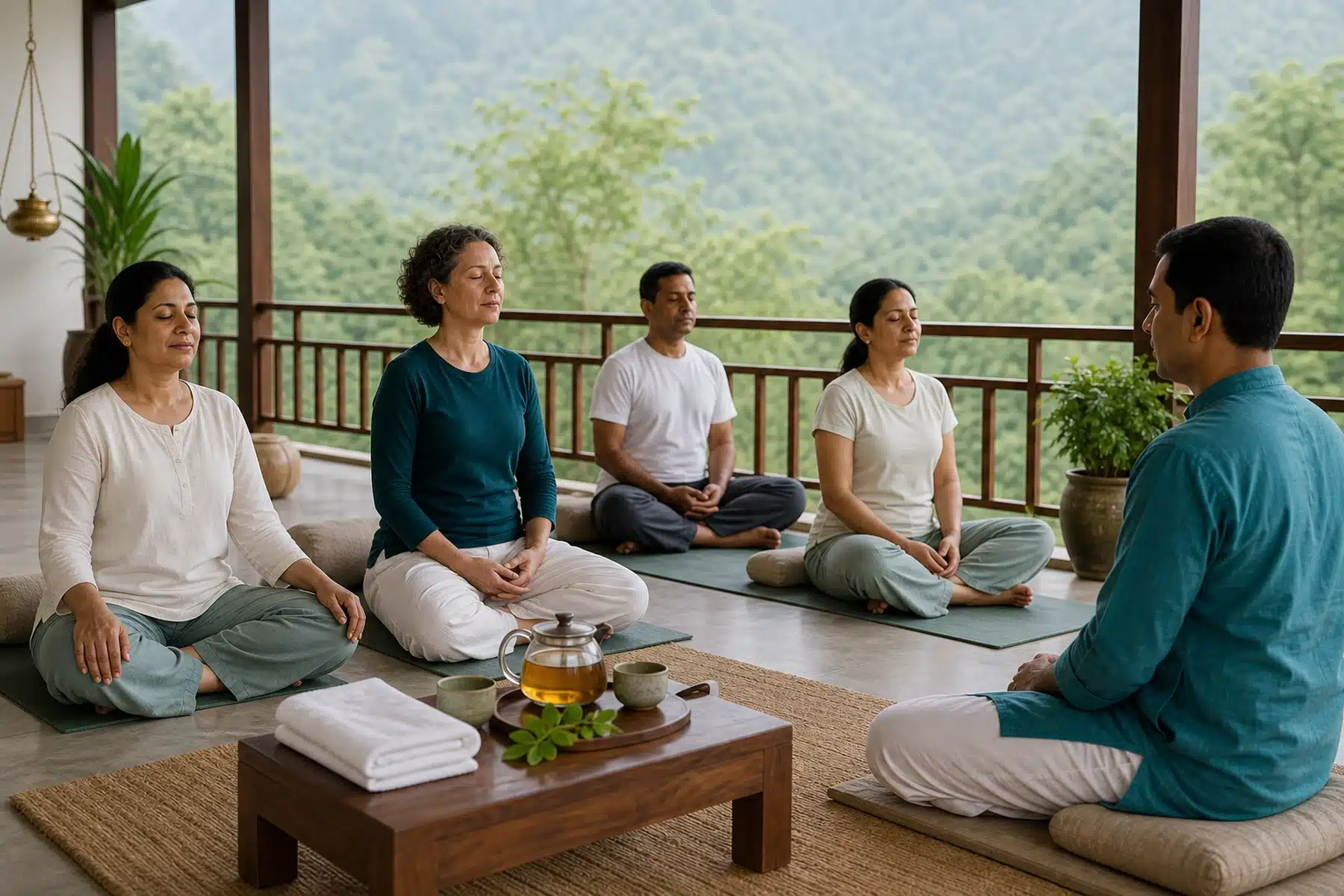
It may also be integrated with yoga and meditation when the goal is relaxation, breath awareness and gradual recovery from stress-heavy routines.
How to Prepare
You do not need to prepare dramatically. The important thing is to share enough context so the practitioner can choose safe pressure, areas and pacing.
Share current diagnoses, medicines, injuries, surgery, pregnancy, skin concerns and pain areas.
Tell the practitioner if you dislike touch on certain areas or need extra privacy and boundaries.
Ask what oil will be used and mention allergies or fragrance sensitivity.
Avoid a very heavy meal immediately before the session and follow the centre's timing guidance.
What to Do Afterwards
Give yourself a few quiet minutes before returning to activity. Drink water normally, avoid rushing into intense exercise, and notice how the body feels without overinterpreting every sensation.
Mild relaxation or sleepiness can happen after a calming session. Severe pain, rash, swelling, dizziness, emotional distress or new neurological symptoms should not be dismissed as a detox response.
Use the session as information. If certain areas are repeatedly tense or painful, discuss whether medical assessment, movement work, posture changes or a different retreat plan is needed.
How to Choose Marma Therapy in Rishikesh
Rishikesh has a strong wellness environment, but visitors still need to choose carefully. A credible centre should explain the session, ask health questions and avoid dramatic promises.
The practitioner should ask about pain, injuries, medication, pregnancy, skin issues and comfort with touch.
Marma work should be gentle and consent-led, not forceful, painful or rushed.
A good retreat connects therapy with rest, breath, yoga, food rhythm and realistic follow-up guidance.
For a structured stay, explore Yan Cure's Ayurvedic treatments in Rishikesh and retreat package options before finalizing your plan.
FAQs About Marma Therapy
Is Marma therapy painful?
No. It should not be painful. The touch is usually gentle, focused and steady. Ask the practitioner to reduce pressure or stop if anything feels uncomfortable.
Can Marma therapy cure pain or stress?
No responsible practitioner should promise a cure. It may support relaxation and temporary comfort for some people, but persistent pain or mental-health symptoms need qualified assessment.
Is it the same as acupressure?
No. There may be superficial similarities because both involve body points, but marma comes from Ayurveda and uses a different traditional framework.
Will oil be used?
Sometimes. The practitioner may use a small amount of suitable oil, but it depends on the person, area, skin response and purpose of the session.
Can I take it during pregnancy?
Pregnancy needs individual caution. Discuss it with your healthcare professional and choose a practitioner trained to modify positioning, areas touched and pressure.
How many sessions are needed?
There is no fixed number. A session plan should depend on your goal, response, comfort, medical context and whether it is part of a longer retreat.
Can it be included in Panchakarma?
It may be included in some Ayurvedic plans, but it should not be automatic. Suitability depends on consultation, strength, symptoms and the broader retreat sequence.
Choose Marma Work With Clear Expectations
Marma therapy can be a meaningful traditional wellness practice when it is gentle, consent-led and connected to the right retreat plan. Yan Cure can help you decide whether it fits your current goals in Rishikesh.
Educational wellness content only. This article is not a diagnosis, medical advice or a substitute for care from a qualified healthcare professional.