Kati Basti in Ayurveda: Benefits, Procedure, Safety and What to Expect
A careful guide to this traditional warm-oil therapy for lower-back stiffness, how it is done, who should avoid it, and where it fits in a responsible retreat plan.
What Is Kati Basti?
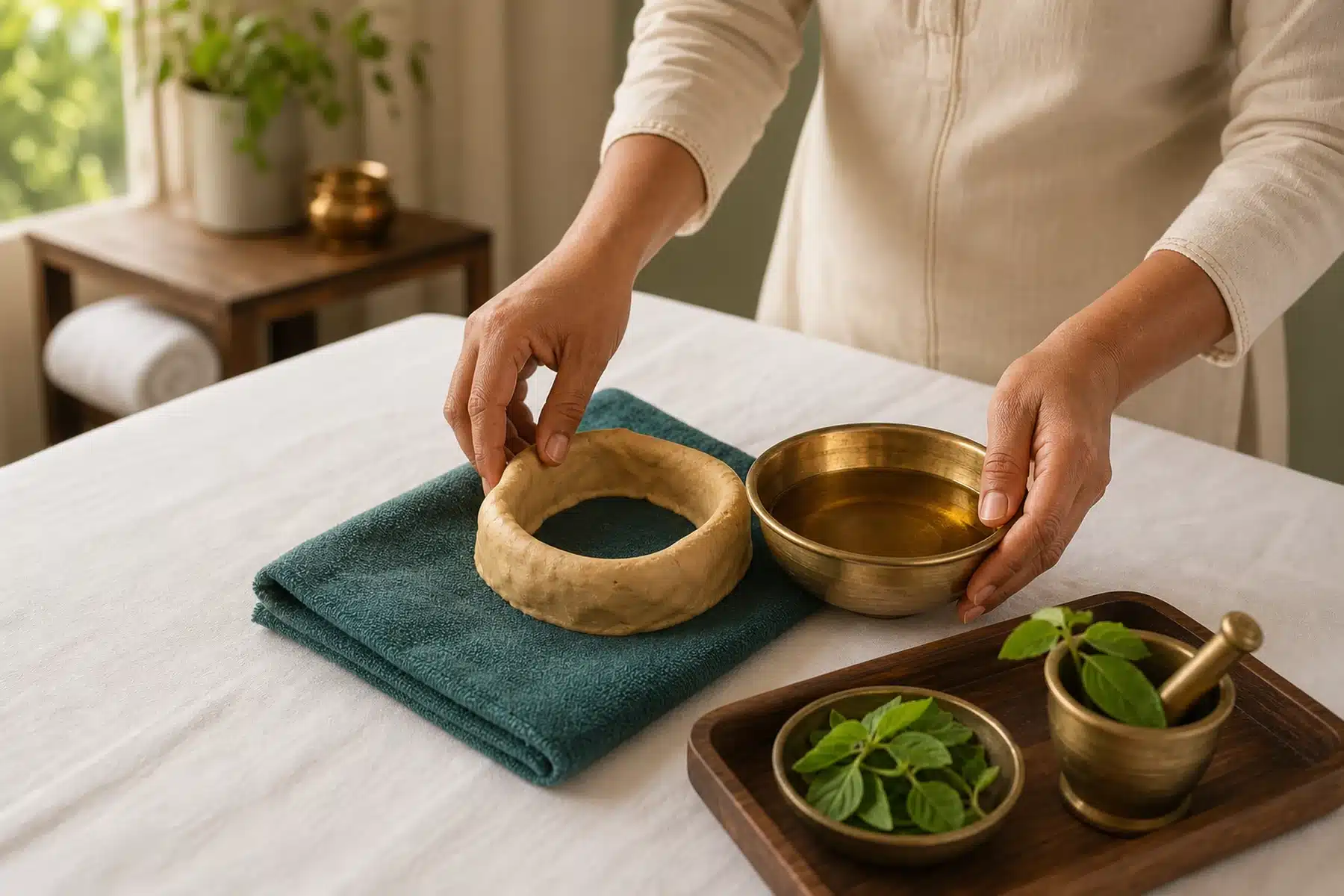
Kati Basti is a traditional Ayurvedic therapy in which warm oil is held over the lower back inside a soft dough ring for a set period of time. The word "kati" refers to the lower back region, and "basti" here refers to retaining the oil locally.
People usually search for this therapy because they want support for lower-back stiffness, tired back muscles, postural strain or a more restorative retreat experience. That is reasonable, but it should be understood as supportive care, not a guaranteed cure for back pain.
At Yan Cure, a therapy like this should sit within a consultation-led plan that may include traditional Ayurvedic therapies, gentle movement, rest, food routine and clear safety screening.
The responsible promise: this therapy may help some people feel warmth, comfort and temporary relief from stiffness. It should not replace medical evaluation for severe, persistent or unexplained back pain.
How a Session Is Usually Done
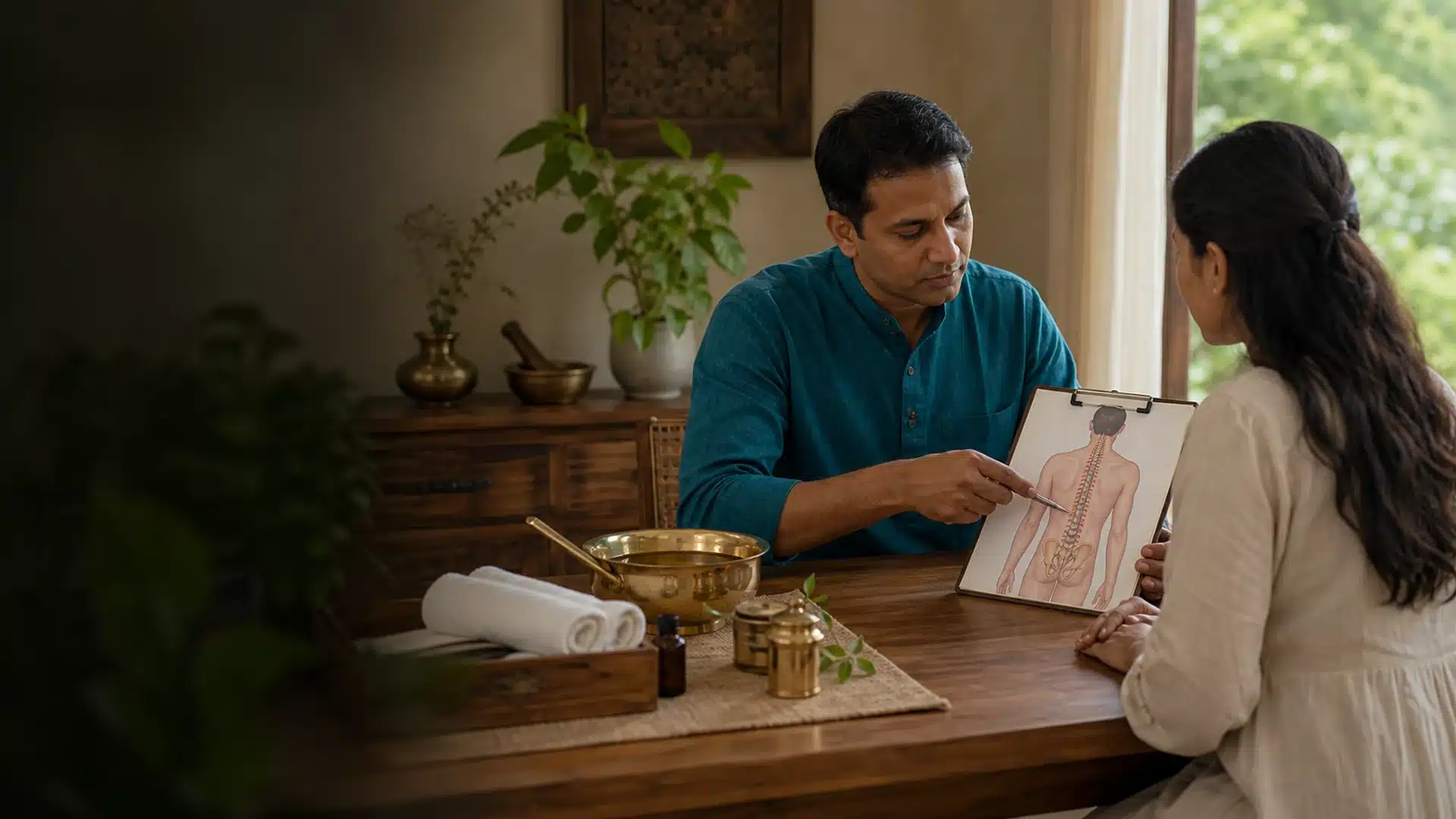
A good session should be calm, hygienic and clearly explained. The therapist should confirm your history, check whether the treatment is suitable, and keep the oil warm without making it uncomfortably hot.
Consultation
The practitioner asks about pain pattern, injury, surgery, medication, skin issues, fever, pregnancy and current diagnosis.
Positioning
You usually lie face down with modest draping. Pillows or bolsters may be used so the lower back can relax.
Dough ring
A soft ring is placed on the lower back to hold warm oil in the chosen area without leakage.
Warm oil
Oil is added and refreshed to maintain warmth. The temperature should feel comfortable, never burning.
Clean-up
The oil is removed, the area is cleaned, and aftercare guidance is explained before you stand up.
Session length varies by centre and treatment plan. A therapy may last around 30 to 45 minutes, but the right duration depends on comfort, skin response, practitioner judgment and the wider retreat schedule.
Benefits: What Is Realistic?
The most realistic benefits are related to comfort, warmth, relaxation and short-term ease in the lower-back area. Many guests like the feeling of sustained warmth because it encourages stillness and local relaxation.
For people whose back discomfort is linked to long sitting, travel fatigue or general stiffness, this therapy may be used as one part of a broader plan. It may also help a guest become more aware of posture, recovery, movement limits and daily habits.
- Warmth and comfort: the held oil creates a focused warming experience over the lower back.
- Temporary stiffness support: some people feel easier movement after rest, warmth and gentle follow-up care.
- Relaxation: the quiet, still session can reduce guarding and help the person slow down.
- Retreat continuity: it can pair with yoga therapy, rest, consultation and an appropriate meal routine.
- Body awareness: a session may highlight habits that keep the back tense, such as prolonged sitting or poor recovery.
What Does Evidence Say About This Therapy for Back Pain?
Research on this localized oil therapy is still limited, so the honest answer is cautious. A 2024 randomized controlled trial studied people with chronic low back pain in a residential setting. One group received integrative yoga therapy, and another received yoga plus Ayurvedic Kati Basti.
Both groups improved over time, but the study did not show a clear additional advantage for the oil-therapy add-on for pain, disability or depression compared with yoga alone. That does not mean the therapy has no value; it means stronger, larger studies are needed before making big medical claims.
The broader low-back-pain field also supports caution. An American College of Physicians clinical guideline recommends beginning many low-back-pain cases with non-drug approaches such as exercise, yoga, mindfulness-based stress reduction or multidisciplinary rehabilitation before medication is considered, depending on the case.
How Yan Cure should position it: this is best described as a traditional supportive therapy within a broader plan, not as a standalone medical treatment for every back condition.
The NCCIH overview of Ayurveda notes that evidence is limited for many Ayurvedic uses and advises people not to postpone conventional care for a medical problem.
When This Therapy Should Be Delayed or Avoided
A responsible Ayurveda centre should sometimes say "not today." Lower-back pain can come from many causes, and some require medical assessment before any therapy is started.
| Situation | Why caution matters | Safer next step |
|---|---|---|
| Back pain after a fall, accident or sudden severe strain | Fracture, disc injury or acute tissue injury may need diagnosis first. | Get medical evaluation before local oil or heat therapy. |
| Numbness, weakness, pain going down the leg, bowel or bladder changes | These can suggest nerve involvement or urgent spinal symptoms. | Seek qualified medical care promptly. |
| Fever, infection, unexplained weight loss, cancer history or severe night pain | Back pain may be linked to a condition that should not be treated as routine stiffness. | Prioritize clinical assessment and testing when advised. |
| Open wounds, burns, rash, skin infection or allergy in the lower-back area | Oil, heat and dough contact may worsen irritation or infection. | Postpone or avoid treatment over the area. |
| Pregnancy, recent surgery, severe uncontrolled illness or very sensitive skin | Positioning, heat, oils and duration may need major modification. | Use medical clearance and a conservative plan. |
During the session, tell the therapist immediately if the oil feels too hot, you feel dizzy, the skin burns or itches, pain increases, or you become uncomfortable with positioning or draping.
Where It Fits in a Back-Care Retreat
For many guests, lower-back discomfort is not only a therapy-room issue. Travel, sitting, stress, sleep quality, weak recovery habits and lack of suitable movement can all feed the pattern. That is why a local warm-oil treatment makes more sense when it is connected to the rest of the retreat.
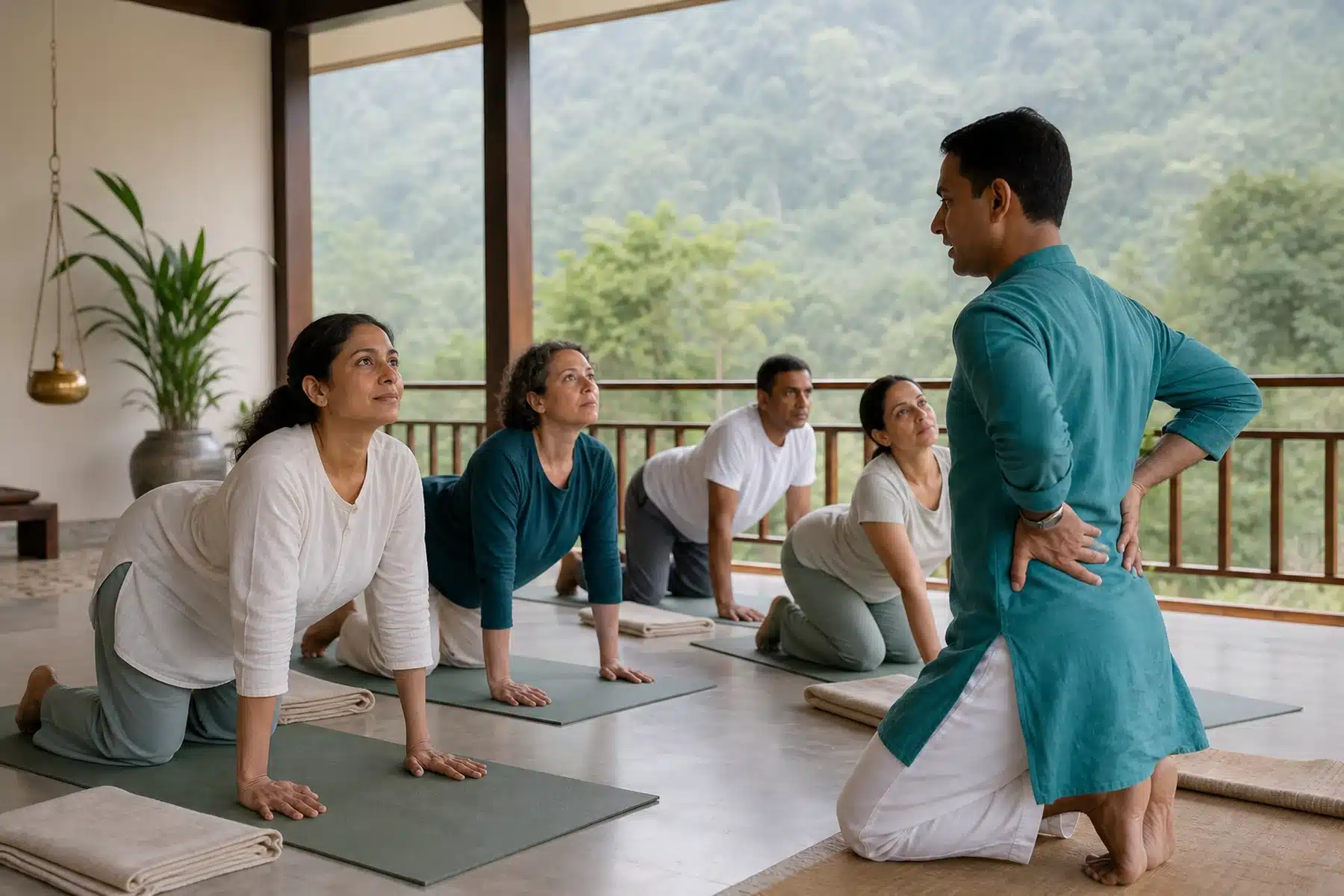
At Yan Cure, guests with back discomfort may explore the Joint and Pain Management Retreat when the concern is broader than one localized stiffness point. They may also combine supportive Ayurveda with yoga and meditation when movement, breathing and stress patterns are part of the picture.
Some guests want a gentle reset rather than a pain-focused programme. In that case, a wellness retreat in Rishikesh may be a better first step than an intensive therapy schedule.
How to Prepare for the Session
You do not need an extreme preparation routine. The most useful preparation is honest information and a little practical comfort planning.
Share your diagnosis, pain pattern, medication, allergies, skin sensitivity and recent reports.
Avoid a heavy meal immediately before the session and follow the centre's timing guidance.
Tell the therapist about acute pain, fever, injury, pregnancy, surgery or nerve symptoms.
Ask what oil will be used and whether the temperature will be checked before application.
What to Do After the Session
Stand up slowly, especially after lying still. Keep the area warm for a short period if advised, and avoid immediately jumping into heavy exercise or long travel without a break.
Some oil may remain on the skin, so be careful with slippery floors and clothing. A warm shower may be advised depending on the oil and treatment sequence.
Do not dismiss severe pain, spreading numbness, rash, burns or dizziness as a "detox reaction." These symptoms deserve proper attention.
How to Choose a Centre in Rishikesh Responsibly
Rishikesh attracts people looking for Ayurveda, yoga and quieter recovery time. That is a strength, but it also means visitors should choose the centre carefully. The best experience is not the most dramatic promise; it is the most transparent and well-screened plan.
The centre should ask about diagnosis, symptoms, medication, skin health and red flags before recommending therapy.
Oil temperature, clean setup, draping and communication are core safety details, not small extras.
Back care may include Ayurveda, rest, suitable yoga, food rhythm and follow-up, not only one session.
If your goal is a structured therapy stay, explore Yan Cure's Ayurvedic treatments in Rishikesh and the retreat package options before finalizing your plan.
FAQs About Kati Basti
Is Kati Basti painful?
No. It should feel warm and steady, not painful. Tell the therapist immediately if the oil is too hot, the position hurts or your pain increases.
Can Kati Basti cure lower back pain?
No responsible practitioner should promise a cure. This therapy may support comfort and stiffness management for some people, but back pain can have many causes and may need medical diagnosis.
How many Kati Basti sessions are needed?
There is no fixed number for everyone. The plan depends on the reason for treatment, symptoms, response, safety screening and whether it is part of a retreat or a single therapy visit.
Which oil is used in Kati Basti?
Ayurvedic centres may use sesame-based or herbal oils depending on the person's context. Always disclose allergies, skin sensitivity and pregnancy before oil is selected.
Can I take Kati Basti if I have a slipped disc?
Do not assume it is suitable. Disc-related pain, numbness, weakness or radiating leg pain should be medically assessed. Any therapy should be cleared and modified by qualified professionals.
Is Kati Basti better than physiotherapy?
They are different approaches. Physiotherapy often focuses on assessment, movement, strengthening and function. This is a traditional supportive oil therapy. Some people may use both with proper guidance, but one should not replace medically needed care.
Can Kati Basti be part of Panchakarma?
It may be included in some Ayurveda plans, but not every guest needs it. Suitability depends on the consultation, the retreat goal and the person's current health condition.
Plan Lower-Back Care With the Right Screening
This treatment can be meaningful when it is used carefully, explained honestly and connected to the right retreat plan. Yan Cure can help you decide whether it fits your current back-care needs in Rishikesh.
Educational wellness content only. This article is not a diagnosis, medical advice or a substitute for care from a qualified healthcare professional.