How to Prepare for Panchakarma: Diet, Routine, Safety and Mindset
A careful guide to food, routine, medical screening and expectations before starting a supervised Panchakarma retreat.
Preparation Is Part of the Therapy
how to prepare for Panchakarma is a useful topic only when it is explained with context, screening and realistic expectations.
Panchakarma is not something to enter casually after a week of late nights, heavy meals and rushed travel. In Ayurveda, preparation shapes how comfortably the body adapts to the retreat rhythm.
The goal is not to punish the body or force a dramatic cleanse. A good preparation period creates steadier digestion, calmer sleep, clearer expectations and better safety conversations with the practitioner.
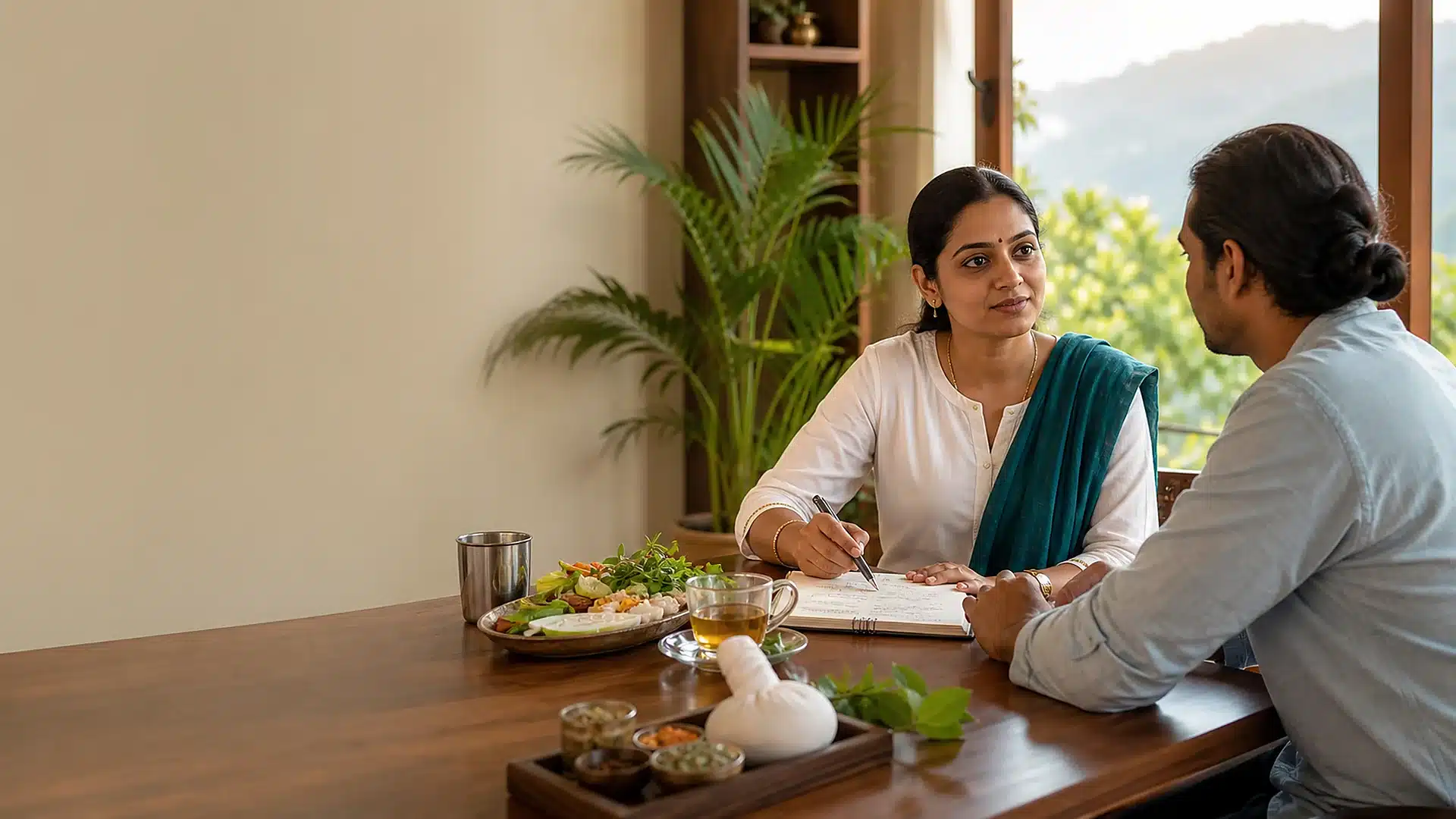
At Yan Cure, Panchakarma preparation should connect with a proper consultation, not a generic online checklist. Your current health, age, medication, appetite, sleep and stress pattern all matter.
For program context, see Yan Cure's related retreat or therapy page and the broader Ayurvedic treatments in Rishikesh page.
SEO intent: This article targets how to prepare for Panchakarma and related informational searches such as Panchakarma preparation, Panchakarma retreat preparation, Ayurveda detox preparation, Panchakarma diet before treatment without competing with the booking page.
How the Session or Plan Usually Works
A responsible preparation plan usually starts a few days before travel. It may include simpler meals, fewer stimulants, lighter evening food, steady hydration, and reducing alcohol, smoking and very heavy exercise.
People often misunderstand preparation as fasting. That is risky. Unless a qualified practitioner specifically advises otherwise, preparation should mean making digestion easier, not creating weakness or dehydration.
Bring medical reports, current medicines and honest information about bowel habits, sleep, blood pressure, diabetes, pregnancy possibility, surgery history and chronic conditions.
Share your history
Tell the practitioner about medicines, allergies, surgery, digestive issues, pregnancy status and any diagnosed condition.
Simplify meals
Move toward warm, cooked, easy-to-digest food instead of heavy, fried, late-night or very spicy meals.
Reduce stimulants slowly
If you use caffeine, alcohol or nicotine regularly, do not stop abruptly without guidance; discuss a realistic taper.
Protect sleep
Arrive rested where possible. Poor sleep can make even gentle treatments feel harder.
Set expectations
Ask what therapies may be used, what is optional, what discomfort is normal, and what symptoms should be reported immediately.
Any therapy should be adapted to the person. Stronger is not automatically better, and a guest should be able to pause, decline or ask questions at any point.
What You Can Expect Without Overclaiming
The strongest content for Ayurveda and naturopathy is honest content. Benefits should be explained as possible support, comfort, routine-building or relaxation, not as guaranteed cure language.
Gentler digestion and regular sleep can make the retreat rhythm easier to follow.
Screening helps the team decide whether Panchakarma is suitable now or should be modified.
Preparation shifts the focus from quick detox claims to sustainable rest, routine and aftercare.
Who Should Be Careful or Avoid It?
Before any retreat therapy, tell the practitioner about diagnosed conditions, medicines, allergies, pregnancy status, surgery history and symptoms that have not been medically assessed.
| Situation | What to do |
|---|---|
| Delay or avoid when | Fever, acute infection, uncontrolled blood pressure, severe weakness, dehydration, pregnancy, recent surgery, active bleeding, severe diarrhea or any unstable medical condition. |
| Tell the practitioner about | Diabetes, kidney disease, liver disease, heart disease, anticoagulants, steroids, psychiatric medication, autoimmune illness, eating disorder history or recent hospitalization. |
| Stop and seek help if | Dizziness, fainting, chest discomfort, severe abdominal pain, uncontrolled vomiting or diarrhea, confusion, breathlessness or sudden weakness. |
What the Research Can and Cannot Say
Modern evidence for complete Panchakarma programs is still limited, and quality varies widely. That is why the honest approach is supervised wellness support, not a promise to cure disease.
The NCCIH overview of Ayurvedic medicine notes that some Ayurvedic products and practices require safety awareness. The NCCIH detox guidance also warns that aggressive detox or cleanse programs can be unsafe when they involve severe restriction, laxatives or dehydration.
Useful external reading: NCCIH overview of Ayurvedic medicine, NCCIH detoxes and cleanses safety guidance.
Yan Cure positioning: Preparation pairs naturally with Yan Cure's Panchakarma program, but the booking-intent page should remain the main destination. This blog should support readers who are deciding whether a supervised retreat is appropriate for them. For personal guidance, use the appointment page instead of self-prescribing therapies.
FAQs
How many days before Panchakarma should I prepare?
Many people benefit from three to seven days of simpler routine before arrival, but the exact timing should be personalized after consultation.
Should I fast before Panchakarma?
No, not on your own. Fasting can cause weakness, headaches, dehydration or blood sugar issues. Follow practitioner guidance.
Can I continue my medicines?
Do not stop prescribed medicines without your doctor. Share the full list with the Ayurveda team before treatment.
Is Panchakarma preparation the same for everyone?
No. Age, strength, digestion, diagnosis, travel fatigue and treatment plan all change the preparation.
What should I bring to the retreat?
Bring medical reports, comfortable cotton clothing, current medicines, emergency contacts and honest questions about suitability.
Want to Know Whether This Is Suitable for You?
Yan Cure can help you understand whether this therapy belongs in your Ayurveda or naturopathy retreat plan, and when a gentler or different option is wiser.