
Exploring the Connection Between Dosha, Prakriti, and Emotional Wellness
A careful Ayurvedic guide to understanding your natural constitution, noticing changing patterns, and choosing supportive routines without turning doshas into mental-health labels.
Dosha and emotional wellness are connected in Ayurveda through a simple idea: body, mind, environment and daily rhythm continually influence one another.
Prakriti describes your natural constitutional pattern, while your present state can shift with sleep, food, workload, relationships, seasons and stress. Understanding that distinction can make Ayurveda more useful and far less restrictive.
This guide explores Vata, Pitta and Kapha as traditional patterns of observation. It does not use them to diagnose anxiety, depression or any other mental-health condition.
Your dosha is not a personality box. Most people express all three doshas, often in a mixed constitution, and emotional health is shaped by many biological, psychological and social factors.
What Are Dosha and Prakriti?
Ayurveda describes three organizing principles called Vata, Pitta and Kapha. They are traditional concepts used to observe patterns in movement, transformation, structure, digestion, sleep, energy and mental activity.
Prakriti is your underlying constitutional tendency. It is commonly understood as the combination of doshas that is most natural to you. Some people show one dominant dosha, while many are dual-dosha types such as Vata-Pitta or Pitta-Kapha.
Prakriti should not be reduced to an online quiz result. A thoughtful assessment considers physical traits, appetite, digestion, temperature preference, sleep, energy, communication style, stress response, medical history and long-term patterns.
How Dosha and Emotional Wellness May Relate
Ayurveda uses doshas to describe tendencies rather than fixed outcomes. A balanced quality can be useful, while the same quality may feel difficult when intensified by exhaustion, irregular routine, overstimulation or prolonged stress.
Balanced Vata may appear imaginative, adaptable and perceptive. When life becomes highly irregular, a Vata pattern may feel scattered, restless, worried or mentally overloaded.
Balanced Pitta may support clarity, courage and purposeful action. Under excess pressure, the same intensity may show as impatience, criticism, irritability or difficulty switching off.
Balanced Kapha may feel patient, loyal and emotionally grounded. When routine becomes stagnant, a Kapha pattern may feel heavy, withdrawn, resistant to change or low in motivation.
Important: worry is not automatically "high Vata," anger is not automatically "high Pitta," and low mood is not automatically "high Kapha." Persistent, intense or disruptive symptoms deserve assessment by a qualified mental-health professional.
Prakriti vs Vikriti: Your Nature and Your Current State
Prakriti is relatively stable. Vikriti refers to your present pattern of imbalance or departure from your usual baseline. This is why two people with similar constitutions may need very different support.
| Ayurvedic idea | What it describes | Emotional-wellness example |
|---|---|---|
| Prakriti | Your long-term constitutional tendencies and natural baseline. | A naturally active, quick-thinking person may still feel well when life is structured and sleep is sufficient. |
| Vikriti | Your current state, influenced by routine, season, stress, food, illness and environment. | The same person may become restless and overwhelmed after travel, missed meals, late nights and excessive stimulation. |
| Personalized support | Changes selected according to the person rather than the dosha label alone. | Support may focus on sleep regularity, nourishing meals, movement, rest, breathwork or professional care. |
This is one reason an individualized Ayurvedic therapy plan is more meaningful than following a generic list of foods or remedies for a presumed body type.
What Can Shift Your Emotional Baseline?
Ayurveda pays close attention to the conditions surrounding an emotional pattern. A difficult week does not redefine your constitution, but repeated disruption can change how steady, focused or resilient you feel.
- Inadequate or irregular sleep and frequent late nights.
- Long gaps between meals, overeating or food that does not suit digestion.
- Constant travel, screen exposure, noise or an unpredictable schedule.
- Overwork, conflict, caregiving pressure or insufficient recovery time.
- Too little movement, too much intense exercise or exercise unsuited to current energy.
- Medical conditions, medication effects, hormonal changes and substance use.
A useful Ayurvedic reflection therefore asks, "What changed around me?" before concluding, "This is simply my dosha."
Daily Practices for Dosha and Emotional Wellness
The most responsible approach is to begin with low-risk habits that support general well-being. These practices can complement appropriate medical or psychological care; they should not replace it.
Create predictable meal and sleep times, reduce unnecessary multitasking, choose warm regular meals, and practise slow breathing or gentle restorative movement.
Build pauses into demanding days, reduce perfectionistic pressure, choose non-competitive movement, spend time in a cooler natural setting, and protect recovery time.
Use morning light, social connection and appropriately energizing movement. Break large tasks into small actions and avoid allowing routine to become complete inactivity.
Observe
Track sleep, appetite, energy, emotional triggers and the situations that help you feel more settled.
Simplify
Choose one or two supportive changes instead of attempting a rigid dosha-perfect lifestyle.
Personalize
Adjust movement, meals and restorative practices to your health, mobility, culture and daily responsibilities.
Review
Notice whether the change genuinely supports function and well-being, then seek guidance when it does not.
Can Diet Support Dosha and Emotional Wellness?
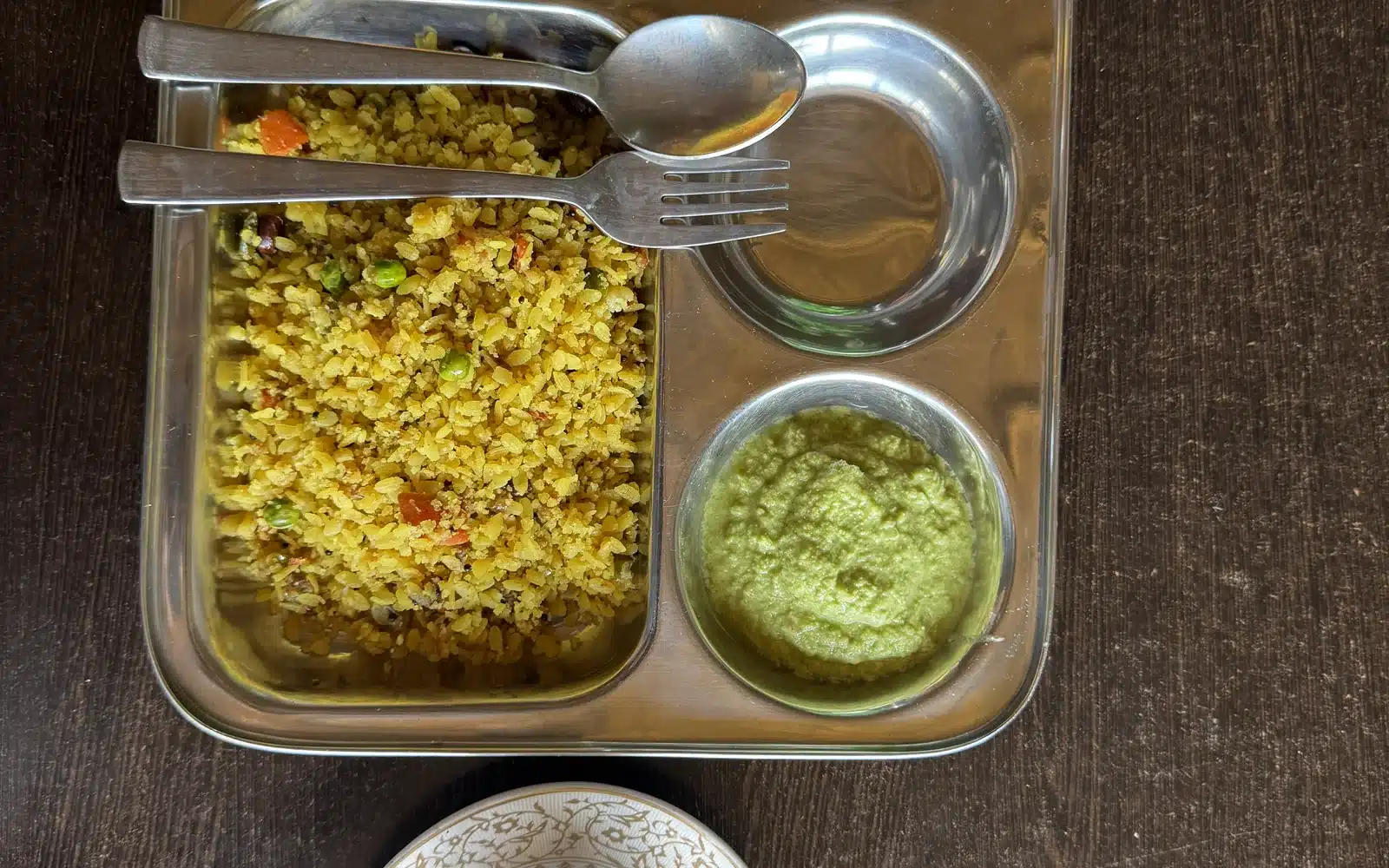
Food can influence energy, comfort, digestion and sleep, all of which can affect emotional resilience. Ayurveda therefore considers meal timing, appetite, digestive response, season and preparation style alongside the ingredients themselves.
A steady routine often matters more than chasing an idealized dosha menu. Regular meals, sufficient protein and fibre, hydration, varied plant foods and an eating pattern compatible with medical needs offer a more grounded starting point.
Very restrictive diets can increase stress and may be unsafe for people with diabetes, eating disorders, pregnancy, gastrointestinal illness or medication-related dietary needs. Personalized food advice should account for those realities.
What a Prakriti Consultation May Explore
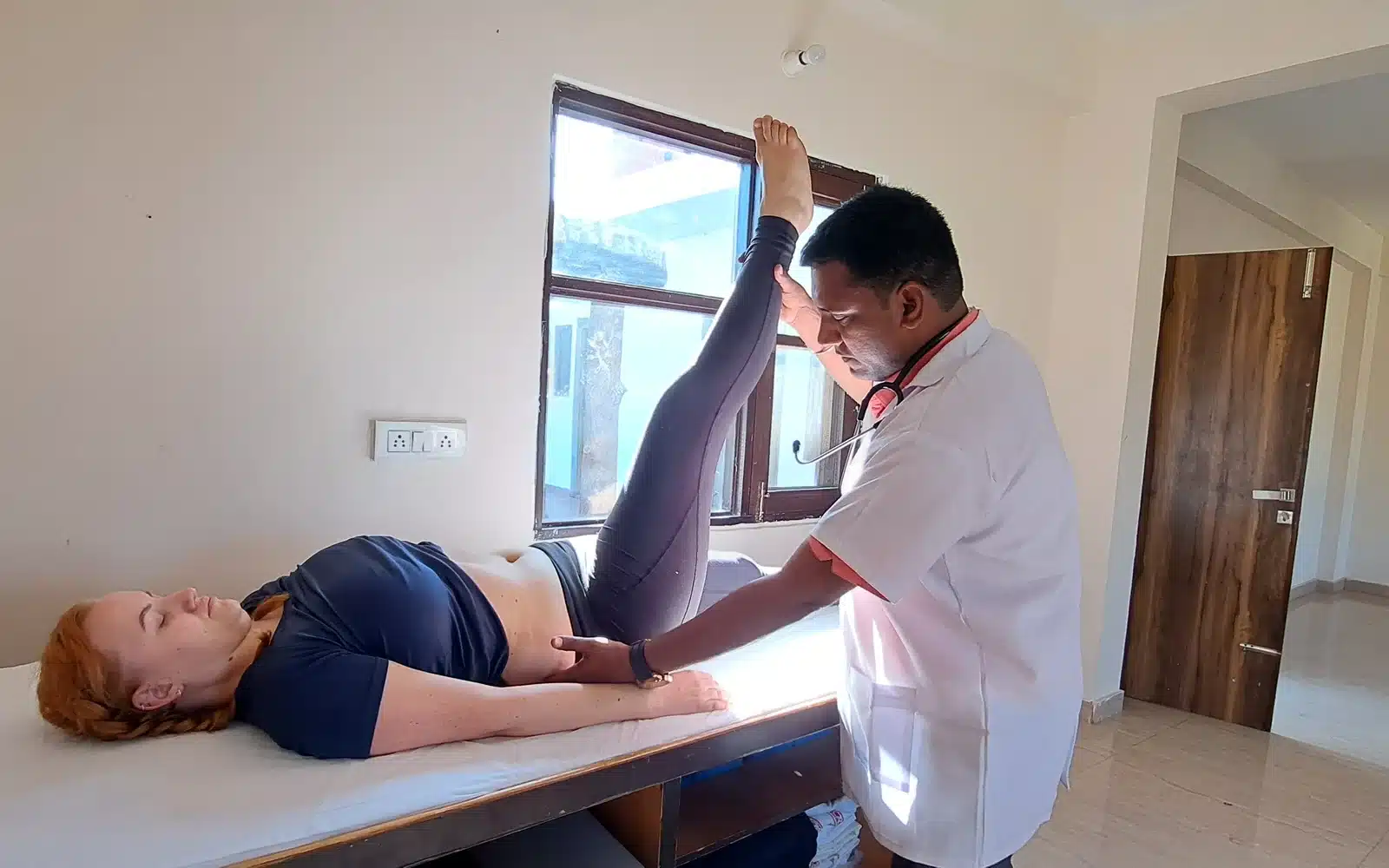
A careful Ayurveda consultation looks beyond a checklist. A personalized view of dosha and emotional wellness may include physical constitution, digestion, sleep, energy, climate preference, long-term habits, recent stress, health conditions and current goals.
At Yan Cure, this understanding can inform a wider wellness plan involving yoga and meditation, food rhythm, restorative therapies, sleep support and a realistic daily routine.
For people seeking time away from constant pressure, a structured stress-management retreat in Rishikesh may provide space to practise these habits with professional guidance.
The purpose of assessment is not to give you a permanent label. It is to identify useful patterns, rule out unsuitable recommendations and build a plan that respects your present health context.
The NCCIH overview of Ayurveda notes that scientific evidence remains limited for many uses and advises people not to delay conventional care. The WHO mental-health guidance also treats mental well-being as a complex issue shaped by individual, family, community and structural factors.
When Professional Mental-Health Support Matters
Ayurvedic routines may be used as complementary well-being practices, but they are not a substitute for qualified mental-health care. Seek professional support if emotional changes are persistent, worsening or interfering with work, sleep, relationships, eating or personal safety.
- Ongoing anxiety, panic, sadness, hopelessness or loss of interest.
- Major changes in sleep, appetite, concentration or daily functioning.
- Symptoms following trauma, substance use or a medication change.
- Thoughts of self-harm, suicide or harm to another person.
If there is immediate danger or a risk of self-harm, contact local emergency services or a crisis service in your country now. Do not wait for a wellness consultation or attempt to manage the situation through dosha-balancing advice alone.
FAQs About Dosha, Prakriti and Emotional Wellness
Can my dosha change over time?
Your Prakriti is considered relatively stable, but your present doshic state can change with age, season, sleep, diet, stress, illness and environment. Ayurveda calls this current state Vikriti.
Can I have more than one dominant dosha?
Yes. Many people are described as dual-dosha types, and some show a more even expression of all three. A mixed constitution is normal and is one reason generic online advice can be misleading.
Is anxiety always connected with Vata?
No. Anxiety is a clinical symptom with many possible causes. Ayurveda may describe some restless qualities as Vata-like, but this does not diagnose the cause or replace a professional mental-health assessment.
How is Prakriti assessed?
A practitioner may explore long-term physical traits, digestion, sleep, energy, temperature preference, communication style, habits and stress response. Pulse and other traditional observations may be included, but assessment should remain individualized.
Which Ayurvedic practice is best for emotional balance?
There is no single best practice for everyone. Regular sleep, appropriate movement, nourishing meals, breathing practices, restorative time and professional support when needed are safer starting points than intensive remedies chosen from a dosha quiz.
Can Ayurveda replace therapy or psychiatric treatment?
No. Ayurveda-based lifestyle practices may complement care when your healthcare team considers them suitable, but prescribed medication or psychological treatment should not be stopped or delayed without professional advice.
Understand Your Patterns Without Being Defined by Them
A personalized Ayurveda consultation can help you explore Prakriti, current imbalance, digestion, sleep and daily rhythm in context. Yan Cure brings dosha and emotional wellness assessment together with yoga, restorative therapies and retreat-based support in Rishikesh.
Educational wellness content only. It is not a diagnosis or a substitute for medical or mental-health care.