Ayurveda for Joint Stiffness: Therapies, Movement, Safety and Retreat Support
A practical guide to when retreat care may help, when medical assessment is needed and how to avoid overpromising.
Stiffness Needs a Cause, Not Just a Therapy
Ayurveda for joint stiffness is a useful topic only when it is explained with context, screening and realistic expectations.
Joint stiffness can come from many causes: age-related changes, inactivity, inflammation, injury, autoimmune disease, poor sleep, stress, posture or overuse. Ayurveda may support comfort and routine, but it should not replace diagnosis.
The smartest approach is to ask what kind of stiffness it is, when it happens, what worsens it and whether there are red flags. Morning stiffness lasting a long time, swelling, fever, sudden pain or neurological symptoms need medical review.
At Yan Cure, joint-stiffness content should support the Pain Management Retreat page without claiming to cure arthritis.
For program context, see Yan Cure's related retreat or therapy page and the broader Ayurvedic treatments in Rishikesh page.
SEO intent: This article targets Ayurveda for joint stiffness and related informational searches such as Ayurvedic therapies for joint stiffness, Ayurveda for joint pain, joint stiffness retreat, pain management retreat Rishikesh without competing with the booking page.
How the Session or Plan Usually Works
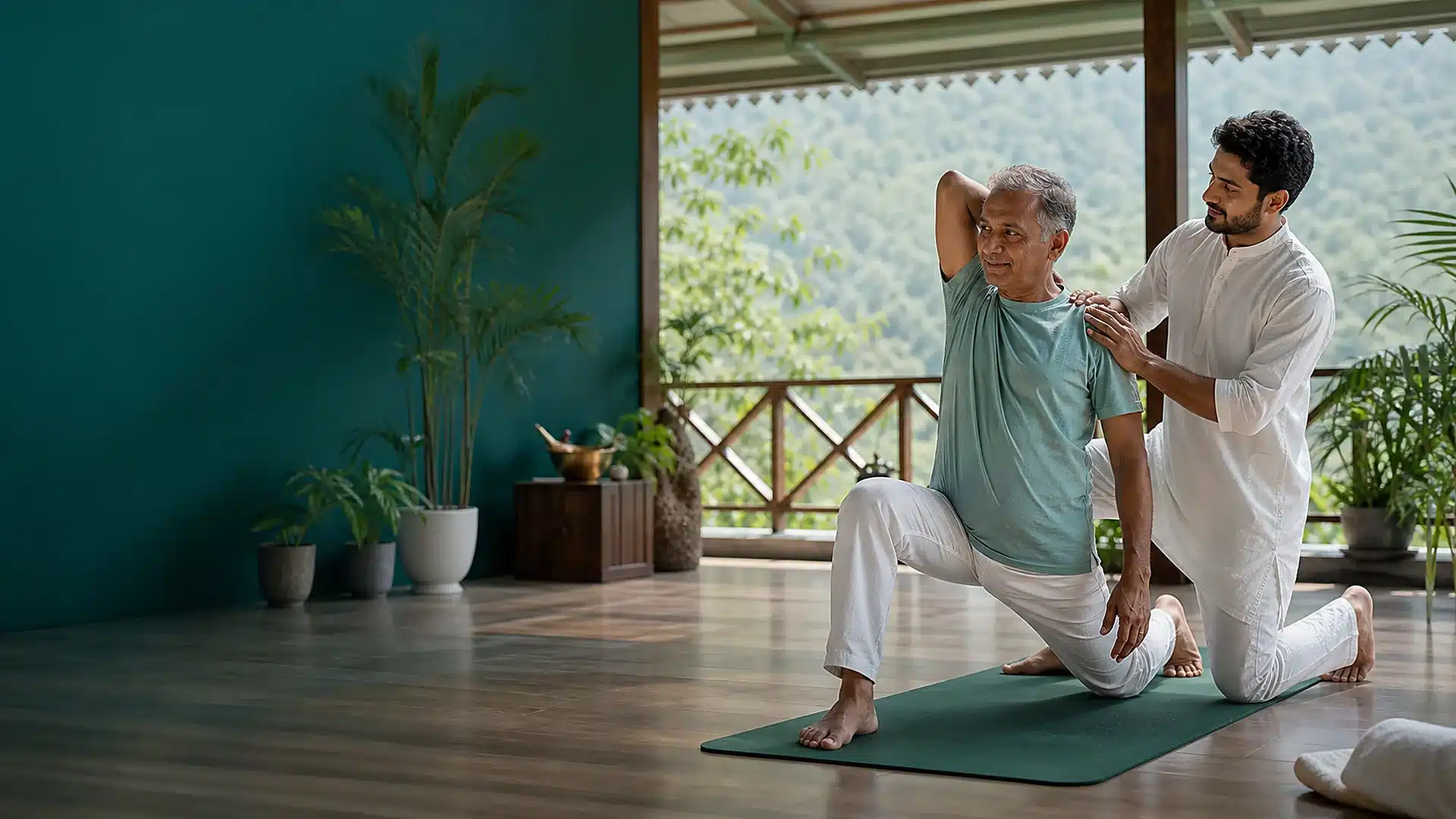
A retreat plan may include assessment, warm oil therapies, local treatments such as Kati Basti or Janu Basti when appropriate, gentle yoga, walking, rest, anti-inflammatory-style meal planning and stress reduction.
The plan should be modified for age, diagnosis, pain level, mobility, balance, medication and fear of movement. Strong massage or forceful stretching can make some conditions worse.
The most valuable retreat outcome may be a repeatable daily routine: safe movement, better sleep, more consistent meals and a realistic home plan.
Assess pattern
Notice timing, swelling, pain level, injury history and morning duration.
Screen red flags
Severe pain, swelling, fever, numbness or sudden weakness need medical care.
Choose gentle therapies
Oil massage, local therapies or heat are selected only if suitable.
Add movement
Mobility work should feel safe, gradual and repeatable.
Plan home routine
The goal is not one retreat week; it is a realistic routine after leaving.
Any therapy should be adapted to the person. Stronger is not automatically better, and a guest should be able to pause, decline or ask questions at any point.
What You Can Expect Without Overclaiming
The strongest content for Ayurveda and naturopathy is honest content. Benefits should be explained as possible support, comfort, routine-building or relaxation, not as guaranteed cure language.
Gentle supervision can reduce fear and improve consistency.
Warm therapies may feel soothing for some stiffness patterns.
Meals, sleep and movement become part of the joint-care plan.
Who Should Be Careful or Avoid It?
Before any retreat therapy, tell the practitioner about diagnosed conditions, medicines, allergies, pregnancy status, surgery history and symptoms that have not been medically assessed.
| Situation | What to do |
|---|---|
| Delay or avoid when | Recent fracture, acute swelling, fever, severe unexplained pain, sudden weakness, numbness, suspected clot, active inflammatory flare or recent surgery. |
| Tell the practitioner about | Arthritis diagnosis, osteoporosis, diabetes, blood thinners, steroid use, joint replacement, autoimmune disease, nerve symptoms or balance problems. |
| Stop and seek help if | Sharp pain, joint locking, numbness, dizziness, breathlessness, swelling increase or pain that worsens after therapy. |
What the Research Can and Cannot Say
Evidence for individual Ayurvedic therapies varies, and results depend on diagnosis and technique. Content should avoid saying Ayurveda cures arthritis or reverses degeneration.
NCCIH's massage overview supports a cautious view of touch therapy for short-term comfort in some pain conditions, while emphasizing that evidence quality and safety vary.
Useful external reading: NCCIH massage therapy overview, NCCIH relaxation techniques overview, NCCIH overview of Ayurvedic medicine.
Yan Cure positioning: This article should lead readers to the Pain Management Retreat and Traditional Therapies pages for structured, supervised support. For personal guidance, use the appointment page instead of self-prescribing therapies.
FAQs
Can Ayurveda cure arthritis?
No cure should be promised. Ayurveda may support comfort and routine for selected people, but arthritis needs proper assessment.
Is massage always good for stiff joints?
No. Acute swelling, inflammation, injury or clot risk may make massage unsuitable.
What therapies may be used?
Depending on assessment, options may include Abhyanga, Kati Basti, Janu Basti, gentle yoga and rest.
When should I see a doctor?
Seek medical care for severe pain, swelling, fever, sudden weakness, numbness or unexplained symptoms.
Can older adults join a pain retreat?
Often yes, but the program must be adapted to diagnosis, balance, medicines and stamina.
Want to Know Whether This Is Suitable for You?
Yan Cure can help you understand whether this therapy belongs in your Ayurveda or naturopathy retreat plan, and when a gentler or different option is wiser.