Virechana Therapy in Panchakarma: Procedure, Benefits, Safety and Aftercare
A grounded guide to one of Panchakarma's stronger procedures, including why screening and aftercare are non-negotiable.
Virechana Should Never Be Casual
Virechana therapy is a useful topic only when it is explained with context, screening and realistic expectations.
Virechana therapy is traditionally described in Ayurveda as a supervised purgation procedure within Panchakarma. Because it deliberately affects elimination, it needs careful preparation, privacy, monitoring and aftercare.
Marketing often turns Virechana into a quick detox promise. That is the wrong framing. The responsible question is not how intense it can be, but whether the person is strong enough and clinically suitable.
At Yan Cure, Virechana should be discussed only after consultation, especially when guests have medical conditions or take regular medication.
For program context, see Yan Cure's related retreat or therapy page and the broader Ayurvedic treatments in Rishikesh page.
SEO intent: This article targets Virechana therapy and related informational searches such as Virechana in Panchakarma, Ayurvedic purgation therapy, Virechana benefits, Panchakarma therapy safety without competing with the booking page.
How the Session or Plan Usually Works
A classical plan may include preparatory steps, selected internal oleation or diet changes, the main purgation day and a gradual post-procedure diet. The sequence varies by constitution, strength and aim.
Some guests may be advised not to do Virechana at all. In good Ayurveda, choosing not to perform a therapy can be the safest and most professional decision.
Virechana should not be used as a DIY laxative cleanse or weight-loss shortcut. It can cause dehydration, weakness or electrolyte imbalance if handled irresponsibly.
Consultation
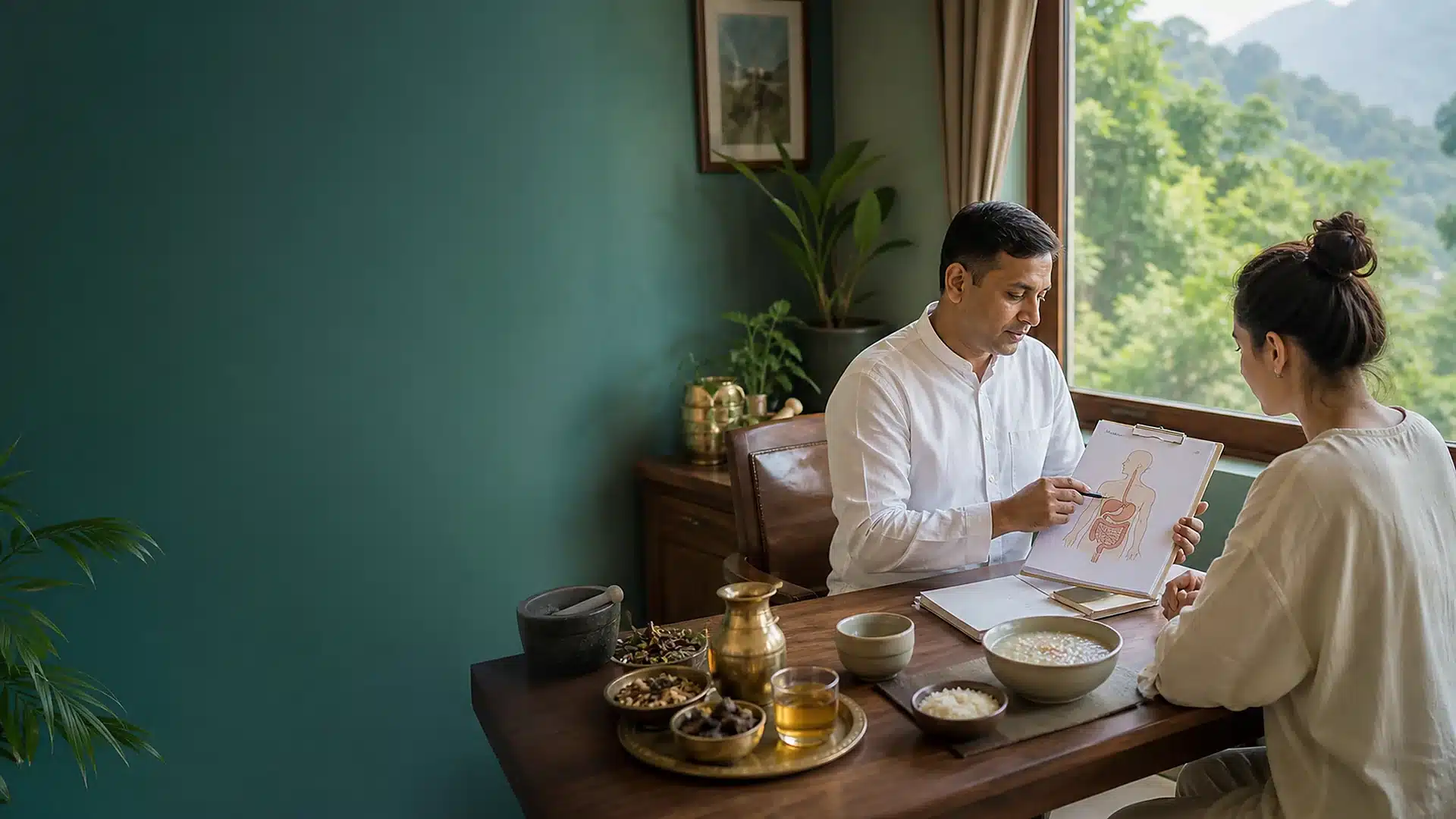
Review digestion, bowel habits, medicines, chronic illness and current strength.
Preparation
The practitioner plans food, rest and timing before the main day.
Main day
The procedure is supervised with attention to hydration, response and comfort.
Observation
The team watches for weakness, dehydration, cramping or unusual symptoms.
Aftercare diet
Food is rebuilt gradually with warm, simple meals.
Any therapy should be adapted to the person. Stronger is not automatically better, and a guest should be able to pause, decline or ask questions at any point.
What You Can Expect Without Overclaiming
The strongest content for Ayurveda and naturopathy is honest content. Benefits should be explained as possible support, comfort, routine-building or relaxation, not as guaranteed cure language.
It offers a traditional framework rather than random laxative use.
Some people may experience a clearer routine afterward, though outcomes vary.
The process can make guests more aware of food timing, appetite and aftercare.
Who Should Be Careful or Avoid It?
Before any retreat therapy, tell the practitioner about diagnosed conditions, medicines, allergies, pregnancy status, surgery history and symptoms that have not been medically assessed.
| Situation | What to do |
|---|---|
| Delay or avoid when | Pregnancy, severe weakness, dehydration, diarrhea, acute fever, uncontrolled diabetes, kidney disease, heart disease, active ulcer symptoms or recent surgery. |
| Tell the practitioner about | Blood pressure issues, anticoagulants, diuretics, laxative use, eating disorder history, IBS/IBD, liver disease, fainting tendency or electrolyte problems. |
| Stop and seek help if | Persistent vomiting, severe abdominal pain, fainting, confusion, blood in stool, chest pain, breathlessness or signs of dehydration. |
What the Research Can and Cannot Say
Evidence for Virechana as a modern clinical treatment is limited, and it should not be presented as a cure. The strongest editorial stance is safety-first traditional care.
NCCIH's detox guidance is especially relevant because purgation and cleanse practices can carry risks when they involve laxatives, dehydration or severe food restriction.
Useful external reading: NCCIH detoxes and cleanses safety guidance, NCCIH overview of Ayurvedic medicine.
Yan Cure positioning: This article supports Panchakarma readers who need realistic expectations before asking about a retreat. The CTA should move them toward assessment, not pressure them into a procedure. For personal guidance, use the appointment page instead of self-prescribing therapies.
FAQs
Is Virechana the same as taking a laxative?
No. In Ayurveda it is a supervised procedure with preparation and aftercare, not casual laxative use.
Can Virechana help with weight loss?
It should not be sold as a weight-loss shortcut. Any weight change from purgation may be temporary and unsafe if forced.
Who should avoid Virechana?
People who are pregnant, weak, dehydrated, acutely ill or medically unstable should avoid or delay unless cleared.
How long is the recovery?
Aftercare can take several days depending on the intensity and the person's strength.
Can I work the same day?
Usually the main procedure day should be kept restful and free from heavy responsibilities.
Want to Know Whether This Is Suitable for You?
Yan Cure can help you understand whether this therapy belongs in your Ayurveda or naturopathy retreat plan, and when a gentler or different option is wiser.