Panchakarma Retreat in Rishikesh: What to Expect Before, During and After
A doctor-guided Panchakarma experience brings together Ayurveda assessment, carefully selected therapies, sattvic food, yoga, rest and post-retreat guidance in the quieter rhythm of Rishikesh.
A Panchakarma retreat in Rishikesh is not a regular spa holiday or a harsh quick detox. It is a structured Ayurveda program planned around digestion, sleep, stress, health history, strength and current imbalance.
At Yan Cure, the retreat combines consultation, traditional therapies, food, yoga, meditation and rest. The aim is to help the body move toward a steadier rhythm while keeping the plan appropriate for the individual.
This guide explains what usually happens before, during and after Panchakarma so first-time guests can arrive with clearer and more responsible expectations.
Best for guests seeking a guided routine reset, digestive support, stress relief, deeper rest or a personalized introduction to classical Ayurveda therapies.
What Is Panchakarma?
Panchakarma is a classical Ayurvedic cleansing and rejuvenation approach. The term broadly refers to five therapeutic actions used within Ayurveda to address accumulated waste, dosha imbalance and disturbed digestive or metabolic rhythm.
A retreat program should never give every guest the same therapies. Your plan may include preparatory oil therapies, gentle sweating, herbal support, massage, food adjustments, yoga and selected cleansing procedures depending on your consultation and readiness.
A responsible program does not promise instant cures. It uses personalization, observation and gradual adjustment. People with pregnancy, recent surgery, serious illness or complex medication needs should seek medical advice and provide their complete health history before starting.
How Your Panchakarma Plan Is Personalized
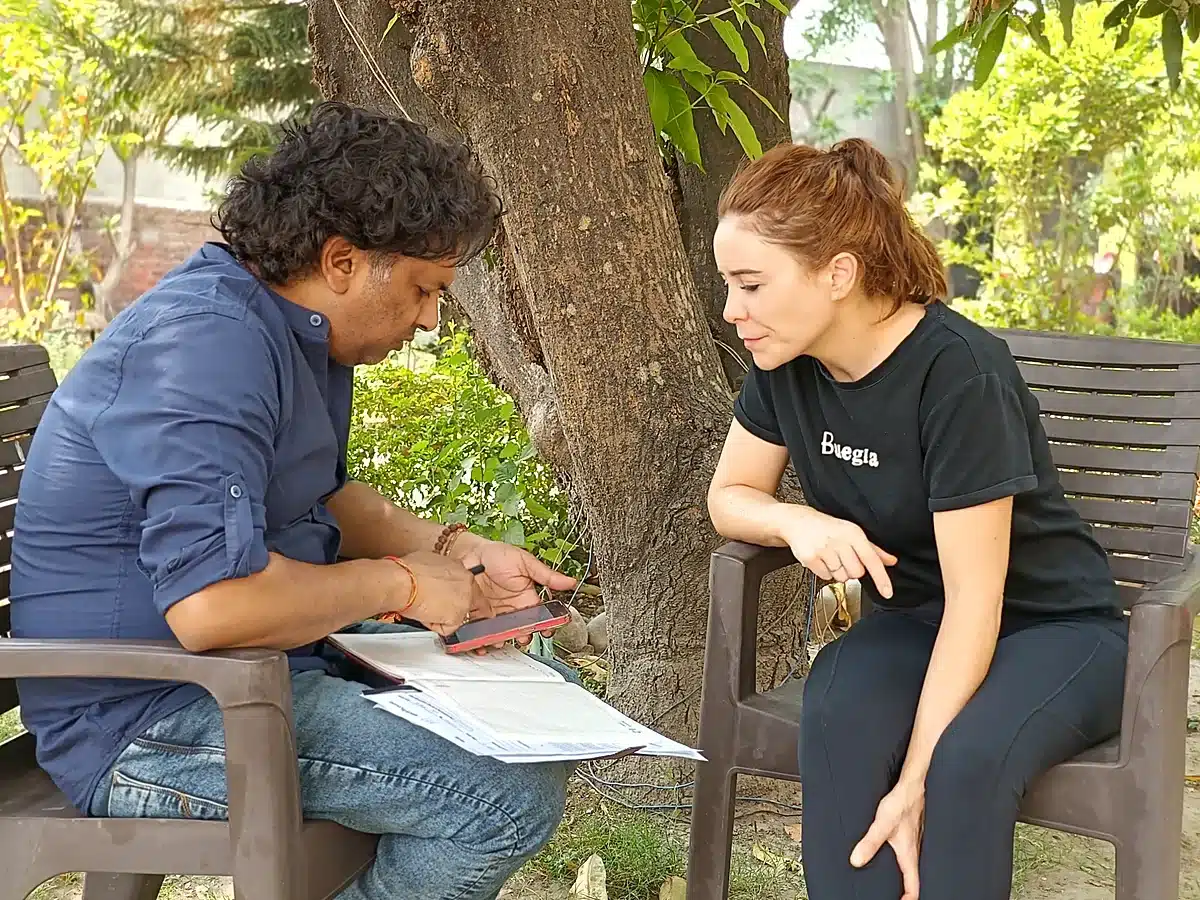
Your first consultation helps the Ayurveda doctor understand your constitution, current imbalance, digestion, appetite, bowel habits, sleep, stress, energy, medication and wellness goals. This determines the pace and intensity of the program.
Medical reports, prescriptions, allergies, recent illness and existing conditions are reviewed before therapies are selected.
Prakriti, vikriti, digestion, sleep and lifestyle patterns help shape the retreat schedule and food plan.
The team can modify therapies, movement, rest and meals as your energy and digestive response change.
Assess
Discuss health history, digestion, sleep, stress and the main reason for your retreat.
Prepare
Begin with lighter food, hydration, rest and preparatory therapies selected for you.
Cleanse
Use only the therapies and procedures considered appropriate after observation.
Rebuild
Gradually stabilize food, energy and routine before returning home.
What a Typical Day May Look Like
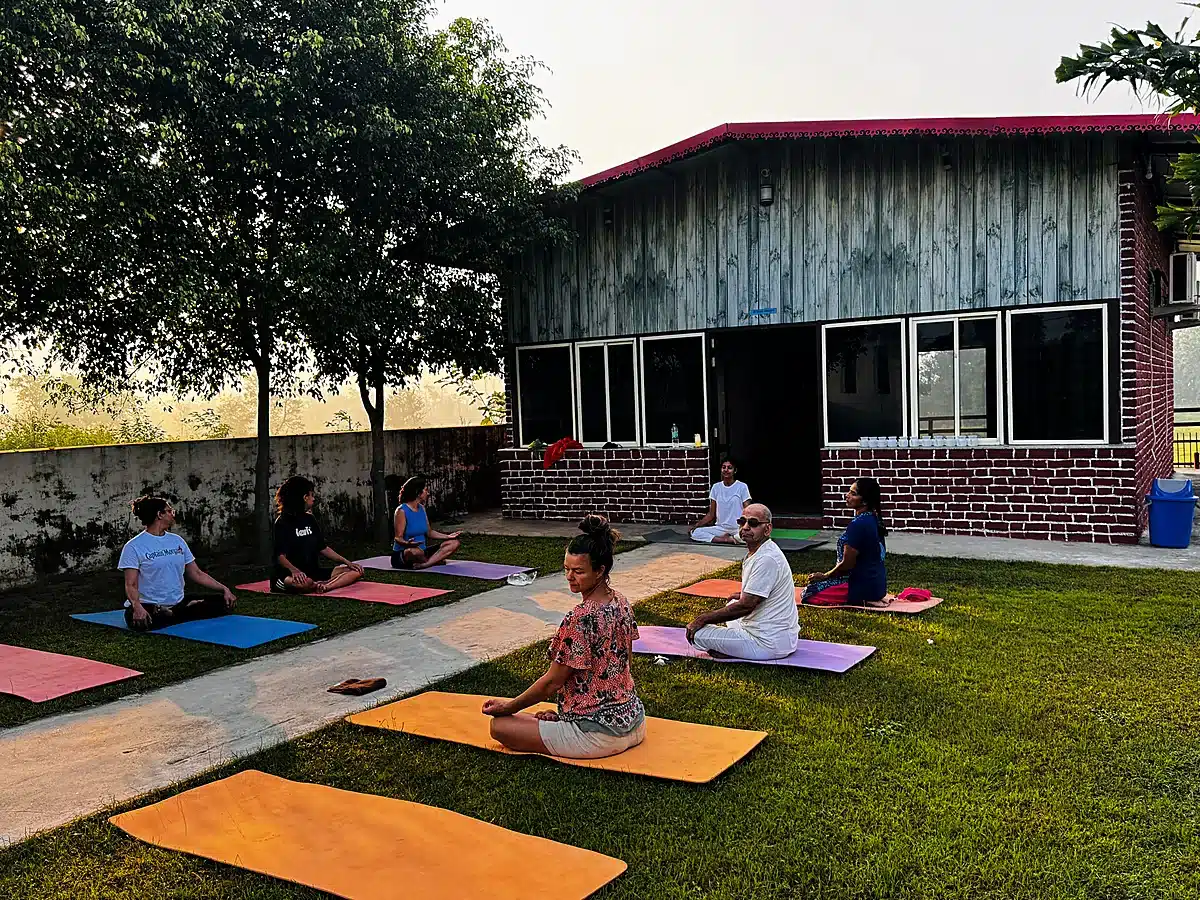
The exact schedule changes according to your plan, but a Panchakarma day usually follows a predictable rhythm. This consistency gives the body time to rest between food, movement and therapies.
- Morning wellness drink and practitioner-advised cleansing practices.
- Gentle yoga, pranayama or meditation suited to your current energy.
- Warm breakfast followed by the scheduled therapy session.
- Simple lunch, quiet rest and a second session when appropriate.
- Evening meditation, nature walk, early dinner and calming night routine.
Therapies You May Experience
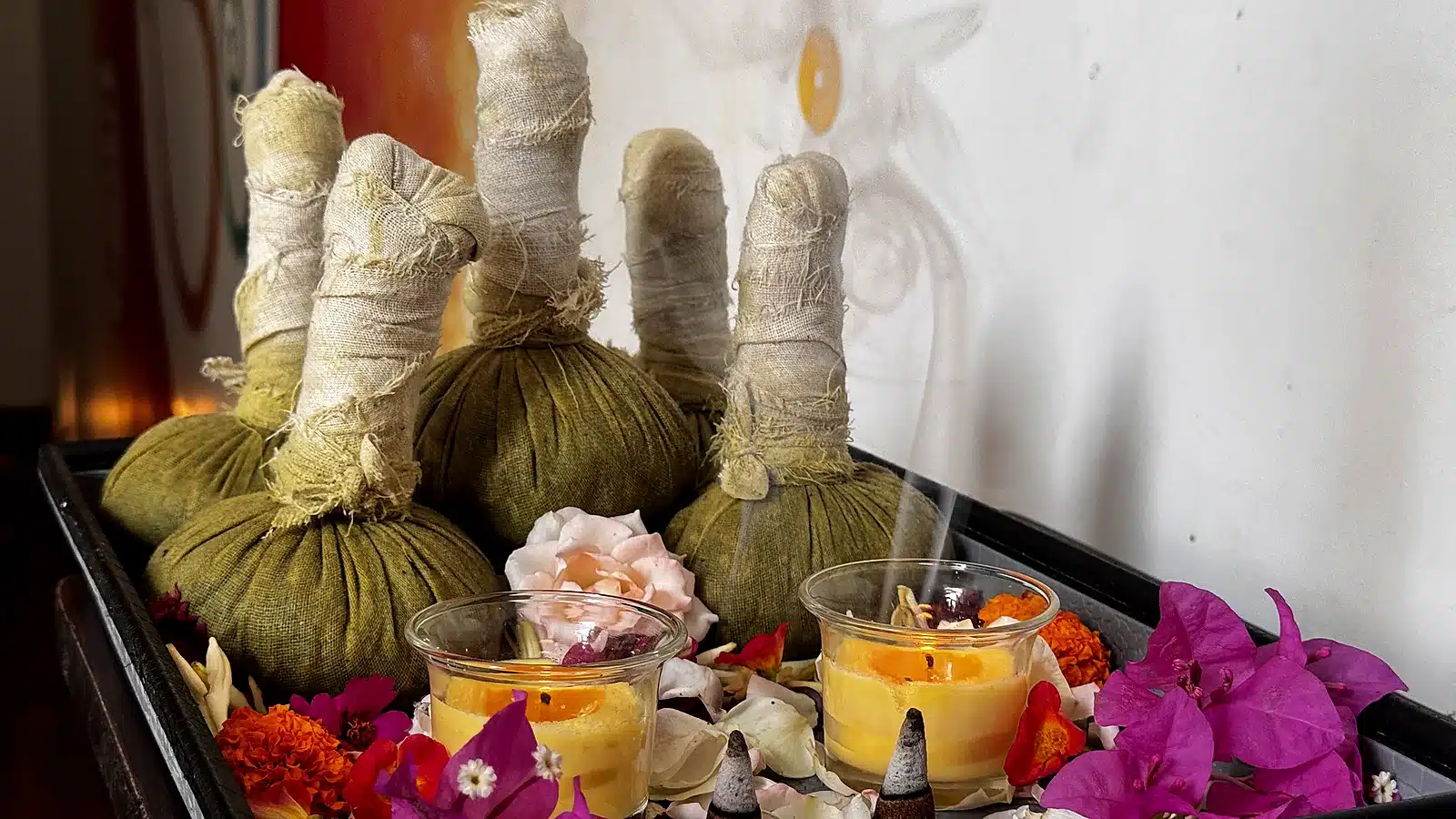
Panchakarma-related plans may include Abhyanga, Swedana, Shirodhara, herbal powder massage, Patra Potli, Nasya, Virechana, Basti, Marma therapy or supportive naturopathy care. Not every therapy is suitable for every guest.
Abhyanga uses warm herbal oils and rhythmic massage. Swedana uses therapeutic warmth or steam. Shirodhara may support relaxation. More specific procedures such as Virechana and Basti require careful supervision and should never be treated as casual spa add-ons.
Yan Cure can also integrate its naturopathy retreat, traditional therapies and yoga and meditation where appropriate.

| Support Area | What It May Include | Why Personalization Matters |
|---|---|---|
| Preparation | Food simplification, oil therapies, gentle warmth and rest. | Helps the body adjust before any deeper procedure is considered. |
| Traditional therapies | Abhyanga, Patra Potli, Nasya, Shirodhara or selected Panchakarma actions. | Choice depends on constitution, strength, symptoms and medical context. |
| Mind-body support | Gentle yoga, pranayama, meditation, nature walks and restorative rest. | Supports calm and prevents the retreat from becoming physically overwhelming. |
What Will You Eat During Panchakarma?
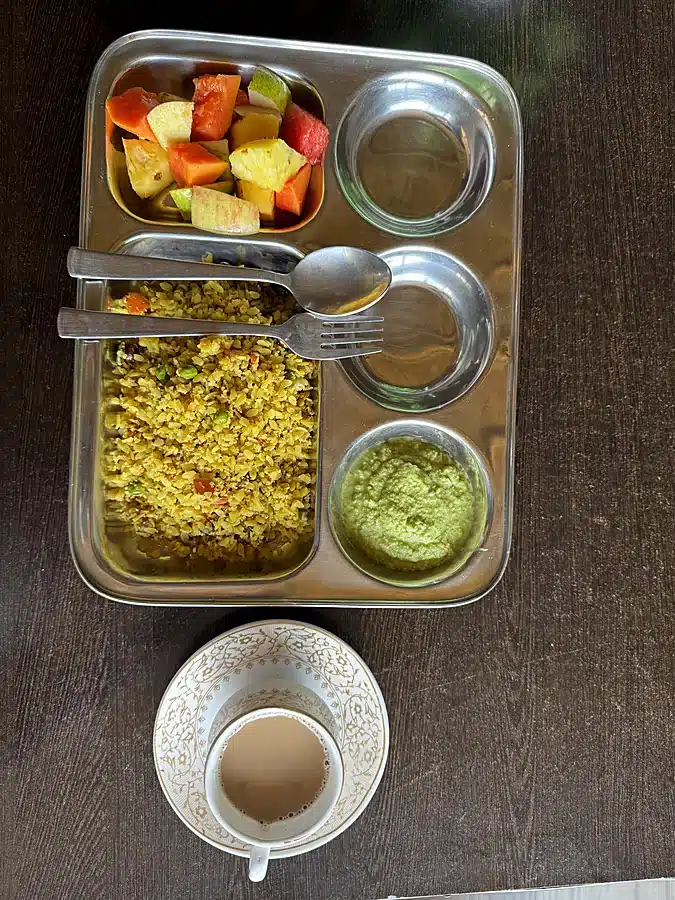
Meals are usually warm, sattvic, vegetarian and easy to digest. The goal is to support Agni, the digestive fire, without adding unnecessary heaviness during the retreat.
- Khichdi, cooked vegetables, light soups and seasonal preparations may be served.
- Herbal drinks and meal timing can be adjusted according to digestion and appetite.
- Heavy fried food, excess sugar, cold drinks, alcohol and overeating are usually avoided.
- Diet should be modified for allergies, medication, weakness and existing health conditions.
3-Day, 7-Day or 14-Day Panchakarma?
The right duration depends on your goal, health history, strength and how deeply the doctor recommends working. A short stay can introduce the routine, while a longer retreat gives more time for preparation, therapy and stabilization.
Suitable for beginners seeking consultation, relaxation, gentle therapies and a short routine reset.
Allows more time for digestive support, stress relief, structured food, therapies and daily observation.
May suit deeper lifestyle imbalance or longer-term wellness goals when recommended after consultation.
Review current stay options on the Yan Cure pricing page, then confirm suitability and duration with the retreat team.
How To Prepare and Protect Your Progress
Reduce very heavy meals, excess alcohol, late-night eating and unnecessary stimulation before arrival. Carry medical reports, current prescriptions and allergy information. Do not stop prescribed medicine without medical advice.
After the retreat, return gradually to normal food and activity. Continue simple meals for a few days, sleep on time, avoid overeating and follow the doctor's aftercare guidance. Panchakarma works best when it becomes a starting point for a healthier routine.
Panchakarma is not a replacement for emergency care, prescribed treatment or specialist advice. Pregnancy, recent surgery, acute illness and complex chronic conditions require medical clearance and complete disclosure.
The WHO Traditional Medicine Strategy 2025-2034 emphasizes safe, evidence-informed practice. The NCCIH Ayurveda overview also highlights the importance of quality, safety and professional supervision.
FAQs About Panchakarma Retreats in Rishikesh
How many days are needed for Panchakarma?
A short 3-day retreat can provide a gentle introduction, while 7-day and 14-day programs allow more time for preparation, therapy and stabilization. The right duration should be confirmed after consultation.
Is Panchakarma safe for everyone?
No single program suits everyone. Pregnancy, serious illness, recent surgery and complex medication needs require medical advice and careful disclosure before any Panchakarma plan begins.
What should I bring to the retreat?
Bring comfortable clothing, medical reports, prescriptions, allergy information, personal essentials and realistic expectations. The retreat team can advise you about any program-specific items.
Can Panchakarma support weight management?
It may support healthier food rhythm, digestion, sleep and lifestyle discipline for some guests. It should not be treated as a guaranteed or rapid weight-loss method.
Can a beginner join a Panchakarma retreat?
Yes, provided the program is personalized and appropriately gentle. A shorter introductory retreat may be suitable for someone experiencing Ayurveda for the first time.
Begin Panchakarma With the Right Consultation
A personalized retreat starts by understanding your digestion, sleep, stress, health context and readiness. Yan Cure can help you choose an appropriate duration and a measured path through Ayurveda, food, therapy, yoga and rest.
Educational wellness content only. Consult a qualified healthcare provider for medical conditions, pregnancy, medication changes or acute symptoms.