
Ayurvedic Detox Retreat in Rishikesh: A Gentle Reset for Body, Digestion and Mind
A good detox retreat is not about harsh cleansing. At Yan Cure, the focus is on digestion, rest, daily rhythm, mindful food, naturopathy support, yoga and safe Ayurvedic guidance in the quieter energy of Rishikesh.
An Ayurvedic detox retreat in Rishikesh is for people who feel heavy, tired, irregular, overstimulated or disconnected from routine and want a guided reset without extreme measures.
In Ayurveda, detoxification begins with Agni, or digestive fire. If digestion is weak, the body may feel sluggish even when a person eats clean food. That is why a retreat plan usually starts with warm meals, hydration, rest, breathwork, gentle movement and practitioner-led therapy selection.
Yan Cure combines Ayurveda, naturopathy, yoga and meditation so detox is not treated as a quick fix. The goal is to help the body settle into a steadier rhythm and support better choices after the retreat.
Best for guests seeking digestion support, lighter routine, post-travel reset, stress-related heaviness, mindful food discipline or a gentle entry into Ayurveda and naturopathy.
What Does Ayurvedic Detox Really Mean?
Ayurvedic detox does not mean forcing the body through hunger, exhaustion or dramatic cleansing. A retreat-led approach is gentler. It looks at digestion, sleep, elimination, stress, food timing, hydration and daily routine.
The practitioner may consider your constitution, current symptoms, appetite, energy, medication history and retreat goal before recommending a plan. Some people need light food and rest. Some may be ready for selected therapies. Others may need stabilization before stronger cleansing methods.
Detox claims should always be handled carefully. External wellness content often overpromises. For safety context, the NCCIH overview on detoxes and cleanses explains why extreme programs should be approached cautiously.
How a Detox Retreat Works at Yan Cure
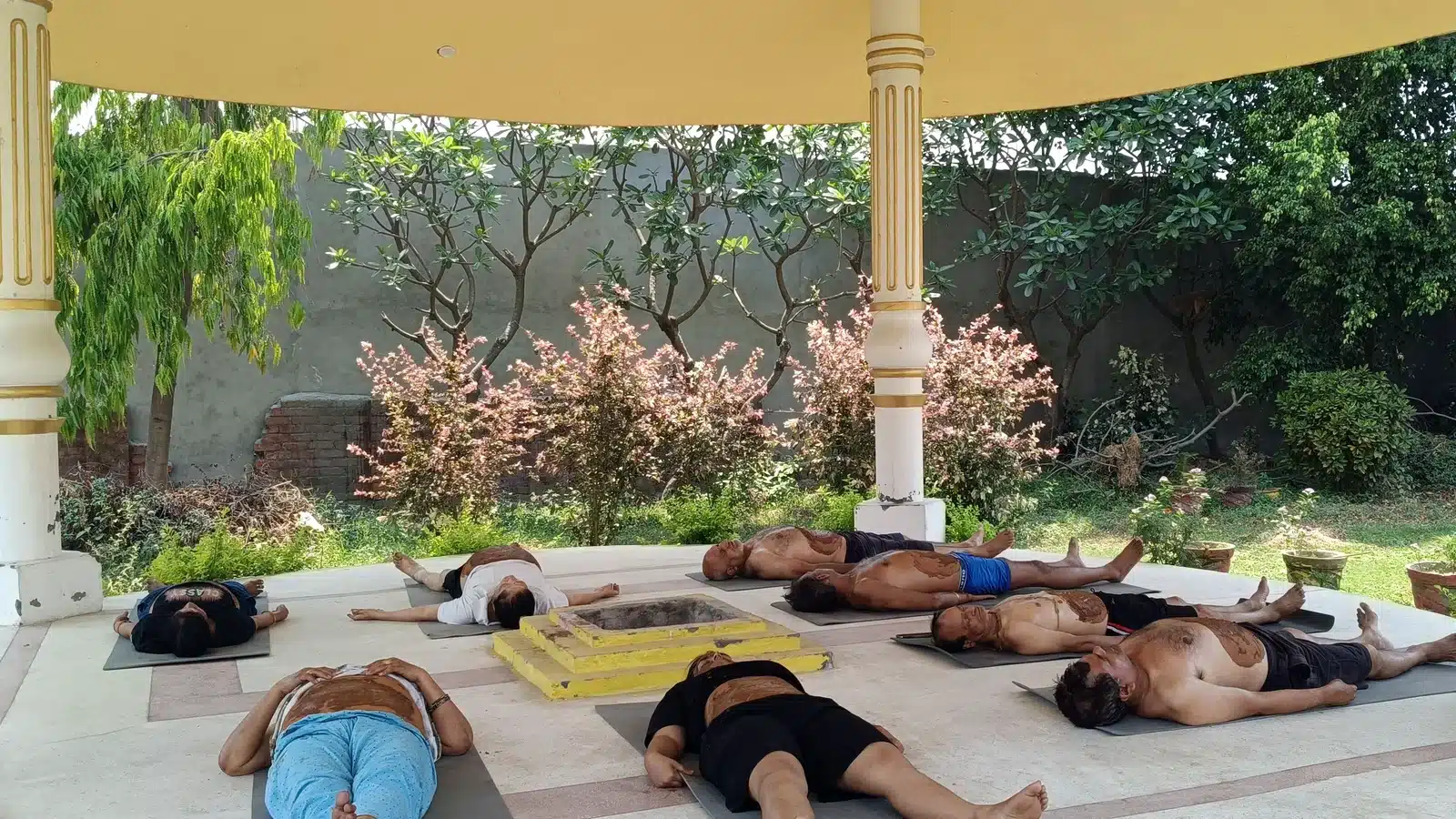
A retreat gives detox the structure it needs: time away from irregular meals, screen-heavy nights, rushed eating and constant stimulation. The plan can be adjusted during the stay as digestion, sleep and energy change.
The first consultation helps identify digestion, routine, stress load and therapy readiness before the program begins.
Warm, simple meals can support digestion while reducing heaviness, acidity, cravings and irregular eating patterns.
Yoga, meditation, breathwork and rest periods can help the nervous system settle during the detox process.
Consult
Share your health context, medication, digestion, sleep and main wellness goal.
Simplify
Begin with easier food, hydration, routine and gentle movement.
Support
Add selected naturopathy, Ayurveda, yoga or meditation based on readiness.
Stabilize
Leave with practical guidance for food, sleep and routine after the retreat.
Why Diet Is the Foundation of Detox
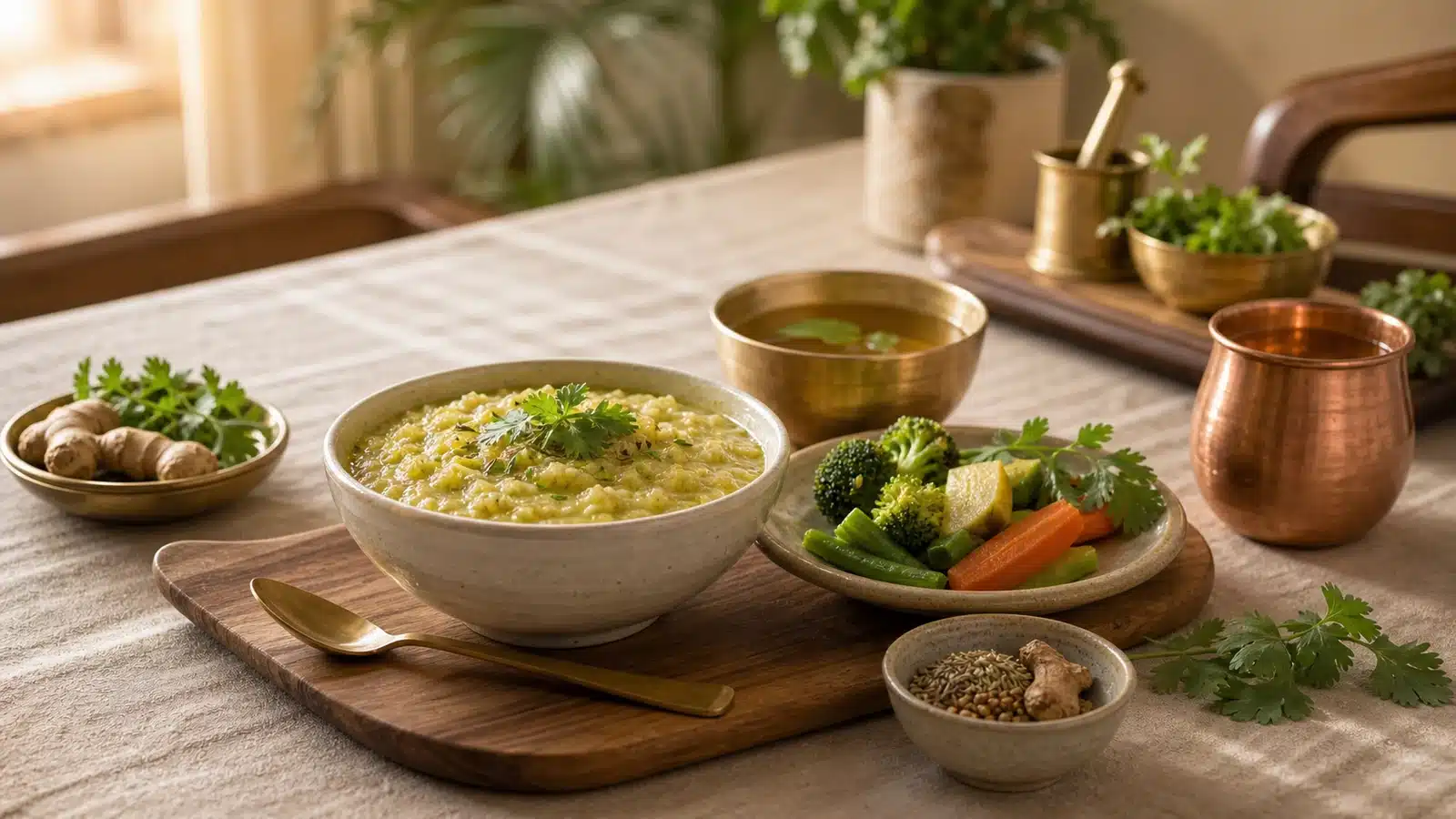
Food is usually the first and most important detox tool. In Ayurveda, heavy meals, late dinners, cold foods, overeating and irregular timing can disturb digestion. A retreat provides the environment to simplify those habits.
- Warm khichdi, dal, vegetables and herbal drinks may be used when appropriate.
- Meals can be timed to support appetite and digestion rather than constant snacking.
- Spices such as ginger, cumin, coriander and fennel may support digestive comfort for some guests.
- Food guidance should be personalized for acidity, bloating, weakness, medication and health history.
Therapies That May Support a Gentle Detox
Therapies should never be selected randomly. The same treatment can feel supportive for one person and too strong for another. At Yan Cure, the plan can connect Ayurveda, naturopathy and yoga in a measured way.
| Support Area | What It May Include | Why It Matters |
|---|---|---|
| Ayurveda | Consultation, food guidance, oil therapies, selected traditional therapies or Panchakarma preparation. | Helps tailor detox around constitution, digestion and readiness. |
| Naturopathy | Hydrotherapy, mud or clay support, rest, natural routine and practitioner-guided care. | Supports simple body rhythms without making the program feel harsh. |
| Yoga and meditation | Gentle asana, pranayama, meditation, walking and restorative practices. | Helps reduce overstimulation and supports a steadier nervous system. |
You can also explore Yan Cure's naturopathy retreat, Panchakarma retreat, yoga and meditation retreat and wellness retreat in Rishikesh.
How To Prepare for an Ayurvedic Detox Retreat
Preparation makes the retreat smoother. You do not need to force a strict cleanse at home, but a few gentle changes can reduce discomfort and help the first consultation become more useful.
- Share current medication, chronic conditions, pregnancy, recent surgery or recent illness.
- Reduce very heavy dinners, excess alcohol and irregular late-night eating before arrival.
- Notice your digestion, appetite, sleep, energy and elimination for a few days.
- Bring recent reports if you are managing diabetes, blood pressure, thyroid, heart concerns or other conditions.
- Choose a realistic goal: digestion, lighter routine, sleep reset, stress support or general rejuvenation.
Detox retreats are not suitable as a substitute for medical treatment. If you have acute symptoms, an eating disorder history, pregnancy, serious chronic illness, or medication changes, consult a qualified healthcare provider first.
Guests who want a broader stay can connect detox with stress management, weight loss retreat support, traditional therapies and personal consultation.
How To Keep the Detox Benefits Going
The real value of an Ayurvedic detox retreat is not only what happens during the stay. It is what becomes easier afterward: eating on time, sleeping earlier, noticing digestion, taking breaks from overstimulation and choosing movement that suits your energy.
Before leaving Yan Cure, guests can discuss a realistic continuation plan. This may include simple breakfast and dinner timing, warm water habits, a short breathing practice, seasonal food suggestions, and a gradual return to normal routine instead of suddenly going back to late nights and heavy meals.
A good detox retreat should leave you with fewer rules, not more confusion. The best follow-up plan is the one you can actually keep when you return home.
- Keep dinner lighter and earlier for a few days after the retreat.
- Continue gentle movement, walking or yoga instead of rushing into intensity.
- Use the retreat as a reset point for sleep timing and mindful eating.
FAQs About Ayurvedic Detox Retreats in Rishikesh
Is an Ayurvedic detox retreat the same as Panchakarma?
No. Panchakarma is a more specific Ayurvedic cleansing process and may require preparation. A detox retreat can be gentler and may focus on food, routine, naturopathy, yoga and selected therapies.
Will I have to fast during the retreat?
Not necessarily. Many guests do better with warm, light, digestible meals rather than fasting. The plan should depend on your strength, digestion, health history and practitioner guidance.
Can detox help with weight loss?
A retreat may support better food rhythm, digestion and lifestyle discipline, which can help some people begin healthier weight-management habits. It should not be treated as a guaranteed weight-loss program.
How many days are needed?
The right duration depends on your goal and body readiness. A short stay can reset routine, while longer programs allow more time for assessment, food rhythm, therapies and stabilization.
Who should avoid strong detox programs?
People who are pregnant, medically unstable, recovering from surgery, managing serious chronic conditions, or taking complex medication should get medical guidance and share full details before beginning any detox plan.
Begin Your Detox Retreat With the Right Consultation
A personalized detox retreat starts with understanding your digestion, sleep, stress, routine and readiness. Yan Cure can help you choose a gentle path through Ayurveda, naturopathy, yoga and mindful food.
Educational wellness content only. Always consult a qualified healthcare provider for medical conditions, pregnancy, medication changes or acute symptoms.