
Whether you’re new to Ayurveda or seeking to deepen your practice, understanding your dosha type can empower you to make informed choices in diet, lifestyle, and mindfulness routines. This guide delves into these elements, offering practical insights for modern life while drawing on timeless Ayurvedic principles.
What Are Doshas? A Quick Overview
Ayurveda views the human body and mind as a dynamic interplay of three primary doshas: Vata, Pitta, and Kapha. These bio-energies are derived from the five elements ether, air, fire, water, and earth and influence everything from digestion to mood.
Each person embodies a unique combination of these doshas, which form the basis of Prakriti your innate constitution. Recognizing your dominant dosha helps tailor wellness strategies to your specific needs.
Identifying Your Prakriti: Steps to Self-Discovery
Determining your Prakriti is a foundational step in Ayurvedic self-care. This process involves observing your physical traits, mental tendencies, and daily patterns without relying on complex tests, though consulting an Ayurvedic practitioner is ideal for precision.
Start by reflecting on these key indicators:
Physical Characteristics:
⦁ Vata-dominant individuals often have a slender build, dry skin, and cold extremities.
⦁ Pitta types tend toward a medium frame, warm body temperature, and sharp features.
⦁ Kapha individuals may have a sturdy physique, smooth skin, and slower metabolism.
Mental and Emotional Traits:
⦁ Vata: Quick-thinking but prone to worry.
⦁ Pitta: Focused and decisive, yet competitive.
⦁ Kapha: Steady and nurturing, sometimes resistant to change.
Daily Habits and Preferences:
Notice your sleep patterns, appetite, and energy fluctuations. For instance, Vata types might skip meals irregularly, while Kapha prefers routine.
The Vital Link: Doshas and Emotional Well-Being
Ayurveda teaches that emotional health is inseparable from doshic equilibrium. Imbalances in these energies can amplify stress, mood swings, or even chronic conditions, while harmony fosters resilience and joy.
How Each Dosha Influences Emotions
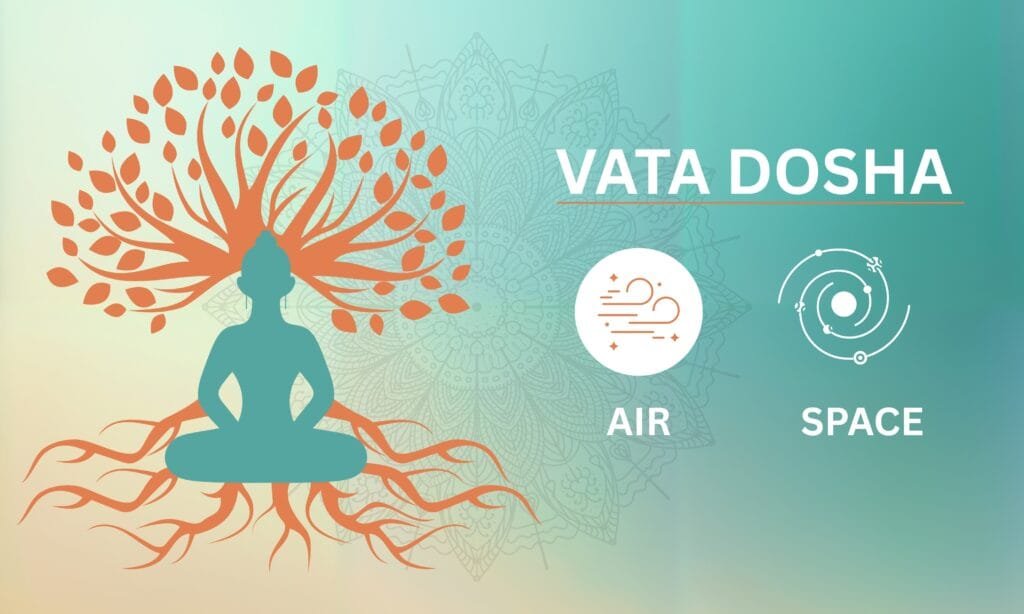
Vata and Emotional Turbulence: Vata’s airy nature can stir irregular thoughts and heightened sensitivity. Unbalanced Vata often correlates with anxiety or overwhelm, as it disrupts the mind’s grounding. Practices like gentle yoga or warm oil massages can soothe this.
Pitta and Inner Fire: Pitta fuels passion but can ignite anger or frustration when excessive. This dosha’s link to the digestive fire (Agni) means poor diet or overwork might exacerbate emotional heat. Cooling herbs like mint or moonlit walks help restore calm.
Kapha and Steady Depths: Kapha provides emotional stability but may lead to depression or inertia if stagnant. Its watery essence calls for invigorating activities, such as brisk walks or spicy foods, to prevent buildup.
Research in integrative health supports these connections, showing how mind-body interventions rooted in Ayurveda reduce cortisol levels and improve mood regulation.
Tips and Techniques for Balancing Doshas and Enhancing Emotional Health
Achieving doshic balance isn’t about suppression—it’s about gentle alignment through lifestyle tweaks. Here are actionable strategies optimized for emotional wellness:
Daily Routines (Dinacharya) for Harmony
For Vata Balance: Prioritize grounding routines. Start your day with warm lemon water and abhyanga (self-oil massage) using sesame oil. Incorporate slow, breath- focused yoga poses like child’s pose to calm racing thoughts.
For Pitta Balance: Embrace cooling practices. Opt for moon salutations over sun salutations, and include bitter greens in meals to pacify inner heat. Meditation on compassion can temper Pitta’s sharp edges.
For Kapha Balance: Stimulate with movement. Dry brushing before showers invigorate circulation, while pungent spices like ginger in teas awaken sluggish energy. Journaling gratitude shifts Kapha’s tendency toward melancholy.
Dietary Wisdom for Emotional Stability
Food is medicine in Ayurveda. Tailor your plate to your dosha:
Dosha Recommended Foods Foods to Limit Emotional Benefit
Vata Warm soups, root vegetables, ghee Raw salads, caffeine Reduces anxiety, promotes calm
Pitta Cooling fruits (cucumber, coconut), dairy Spicy, fried foods Eases irritability, fosters peace
Kapha Light grains, leafy greens, spices Heavy dairy, sweets Lifts mood, boosts motivation
Incorporate seasonal eating and mindful chewing to enhance nutrient absorption and emotional digestion literally processing feelings without overwhelm.
Yoga and Mindfulness Practices
Yoga bridges doshas and emotions seamlessly. A Vata-soothing sequence might include forward bends; Pitta benefits from restorative twists; Kapha thrives on dynamic flows. Pair with pranayama (breathwork): Nadi Shodhana for Vata clarity, Sheetali for Pitta coolness, and Bhastrika for Kapha vitality.
Why Embrace Individuality? The Power of Personalized Wellness
In a one-size-fits-all world, Ayurveda’s dosha framework celebrates uniqueness. Your Prakriti isn’t a limitation it’s a roadmap. By honoring it, you avoid generic advice that falls flat, instead crafting rituals that resonate deeply.
Consider this: What works wonders for a fiery Pitta entrepreneur might exhaust a dreamy Vata artist. Tuning into your dosha empowers sustainable changes, turning emotional challenges into growth opportunities. It’s not about perfection but progress small, consistent shifts yield profound harmony.
Cultivate Lasting Balance Through Ayurveda
The interplay of doshas, Prakriti, and emotional wellness forms the heart of Ayurvedic living. By identifying your constitution, nurturing balance with targeted practices, and embracing your inherent design, you invite greater peace and purpose into daily life.
Ready to embark on this journey? Begin with a simple dosha quiz or connect with a certified yoga teacher for personalized guidance. Ayurveda isn’t just a system it’s a lifelong ally for thriving in body, mind, and spirit.
For more insights on yoga and holistic health, explore resources from trusted wellness communities like Yancure. Always consult a healthcare professional before major changes, especially if managing existing conditions.